Diane Gilbert Madsen: The Dog That Did Not Bark in the Night Sunday, Jun 15 2014 

Please welcome Diane Gilbert Madsen, who will tell readers about her newest book: The Conan Doyle Notes: The Secret of Jack the Ripper

“THE DOG THAT DID NOT BARK IN THE NIGHT”

THE CONAN DOYLE NOTES: THE SECRET OF JACK THE RIPPER
By DIANE GILBERT MADSEN
Published May 22nd 2014, MX Publishing, London
3RD IN THE DD McGil Literati Mystery Series
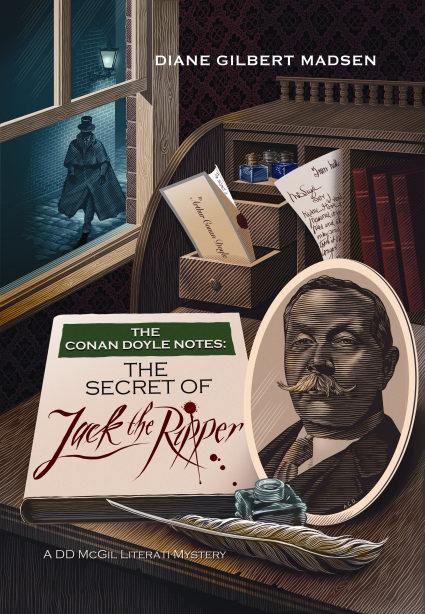
Doyle final-jacket-cover

When everyone else my age was screaming for Elvis Presley and his swiveling hips, I fell head over heels for Sherlock Holmes, the lanky, taciturn, brainy detective whose hips would never be caught swiveling. I adored his aristocratic nose and his cold, impersonal, logic-driven, detail-oriented scientific mind. He was the polar opposite of Elvis – but to me, the British-to-the-core Mr. Sherlock Holmes was irresistible. I’m crazy about him still. His character was so fascinating that he quickly became famous world over. People everywhere not only recognized his name, but also they claimed to “know” what he looked like due to the wonderful drawings accompanying the serialized magazine stories.

My brother Albert was also a Sherlock Holmes addict. Over the years we often discussed why Sir Arthur Conan Doyle had never written a story in which the world’s greatest detective, Sherlock Holmes, matched wits with the world’s most fiendish murderer, Jack the Ripper. Sherlock Holmes, we knew, would definitely have solved the case. But such a match up was never to be. Why? We suspected that Conan Doyle’s silence was something like Sherlock Holmes’ observation about the dog that did not bark in the night.

“Is there any point to which you would wish to draw my attention?”
“To the curious incident of the dog in the night-time.”
“The dog did nothing in the night-time.”
“That was the curious incident,” remarked Sherlock Holmes.
– Conan Doyle, Silver Blaze

When I was searching for a subject for my third Literati Mystery, my brother Albert and my husband Tom both urged me to write “The Conan Doyle Notes: The Secret of Jack the Ripper” to uncover clues and answer the question of why Conan Doyle was silent about the Ripper. Sherlock Holmes concluded that the dog was silent because the dog knew the intruder. In my book, I uncover some facts and clues to help explain why I believe Doyle may have deduced the identity of the Ripper but never revealed it. The book is more about Sir Arthur Conan Doyle and what he knew than about Sherlock Holmes. However, throughout the book I use the Sherlockian “Method” – his famous technique of close observation, careful analysis and keen deduction. This “Method” was based on the uncanny abilities of Conan Doyle’s mentor and colleague, Dr. Joseph Bell, a surgeon and lecturer at Edinburgh University who was in fact the “real” Sherlock Holmes. Bell was renowned for being able to analyze a patient’s illness before the patient uttered one word about his symptoms.

Almost everyone in the world knows something about the Jack the Ripper case in which a person unknown to this day murdered at least 5 women in the Whitechapel District of London between August and November of 1888. An entire school of Ripperologists exists to debate the details of the case and write about their theories. Over 170 suspects have been named as Jack the Ripper, according to the Guardian newspaper, ranging from the most humble to royalty. Some have even accused Lewis Carroll and others have named Conan Doyle himself. There’s also a Jill the Ripper theory in which a woman or a man disguised as a woman commits the murders with impunity.

With all this material available, I decided to examine the case from the police and eye-witness perspectives, using news reports, Ripper letters, noteworthy events and other theories on the identity of the Ripper. I then assembled a series of clues – clues I believe that Doyle – and by extension Sherlock Holmes – would have used to help solve the case. A major one of these clues is the Royal Pardon, hastily issued by the Queen and Parliament immediately after the fifth and last murder, giving a pardon to anyone connected with the murders who came forward with information. The Royal Pardon had never been given before or since – especially to an UNNAMED suspect. It was completely unique.

“MURDER. – PARDON. – Whereas on November 8 or 9, in Millers-court, Dorset-street, Spitalfields, Mary Janet Kelly was murdered by some person or persons unknown: the Secretary of State will advise the grant of Her Majesty’s gracious pardon to any accomplice, not being a person who contrived or actually committed the murder, who shall give such information and evidence as shall lead to the discovery and conviction of the person or persons who committed the murder.
CHARLES WARREN, the Commissioner of Police of the Metropolis, Metropolitan Police-office, 4, Whitehall-place, S.W.,
Nov. 10 [Saturday], 1888.”

I believe that vital intelligence was obtained after the last murder and that is why the Royal Pardon had to be issued. The police acted upon this intelligence and very shortly thereafter, the case was closed for all intents and purposes, and the police patrols were called off in the East End.

This key clue led me to ask the central question — which of the suspects would warrant a Royal Pardon? This question immediately eliminates many of the main suspects who had been identified. It is difficult to see a Royal Pardon being issued in connection with a butcher, schoolteacher or painter. The Royal Pardon shines the light on only a very few possibilities – including suspects who might not have been named at the time — suspects who had connections of such a high ranking that were too important to be named.

With an idea of the identity of the Ripper, I was faced with the task of putting it into the form of a Literati mystery. All the action takes place in the current day using continuing characters from my Literati mystery series, including the rare book dealer Tom Joyce, the Scottish Dragon Auntie Elizabeth, the twins Glendy and Lucille, and the City of Chicago itself which I consider an ongoing character in my books. This segue was neatly handled for me by the fact that Arthur Conan Doyle had visited Chicago in 1894 when he was touring the United States. It was at that time he sold one of his favorite manuscripts, “The White Company,” to David Gage Joyce, a Chicago lumber baron. The manuscript now resides in the Newberry Library in Chicago. The manuscript and the lumber baron both play important roles in the mystery.

As for who was Jack the Ripper – you’ll have to read my book, “The Conan Doyle Notes: The Secret of Jack the Ripper.” I hope you will enjoy learning the secret.
DGM w Corona #3
ABOUT THE AUTHOR

Diane Gilbert Madsen is the author of the award winning DD McGil Literati Mystery Series. She’s the former Director of Economic Development for the State of Illinois where she oversaw the Tourism and the Illinois Film Office and later ran her own consulting firm. She is listed in the World Who’s Who of Women and Who’s Who in Finance & Industry.
Diane is a member of several Sherlockian Associations including the Pleasant Places of Florida. She is a member of Mystery Writers of America, Sisters in Crime, International Association of Crime Writers, the Chicago Writers Association, and Florida Writers Association. She has published articles in The Hemingway Review, Mystery Scene Magazine, Mystery Reader’s Journal, Sisters in Crime Newsletter and The Write City Magazine.
Diane lives with her husband Tom and Angel, their Japanese Chin, at Twin Ponds, a 5-acre wildlife sanctuary on Cape Haze in Florida.

Website – http://www.dianegilbertmadsen.com
Link to book trailer – http://youtu.be/k7M5F-GPihw
Twitter @DianeMadsen
Facebook – https://www.facebook.com/diane.g.madsen
Alyssa Maxwell: The Gilded Newport Mysteries Sunday, Jun 8 2014 

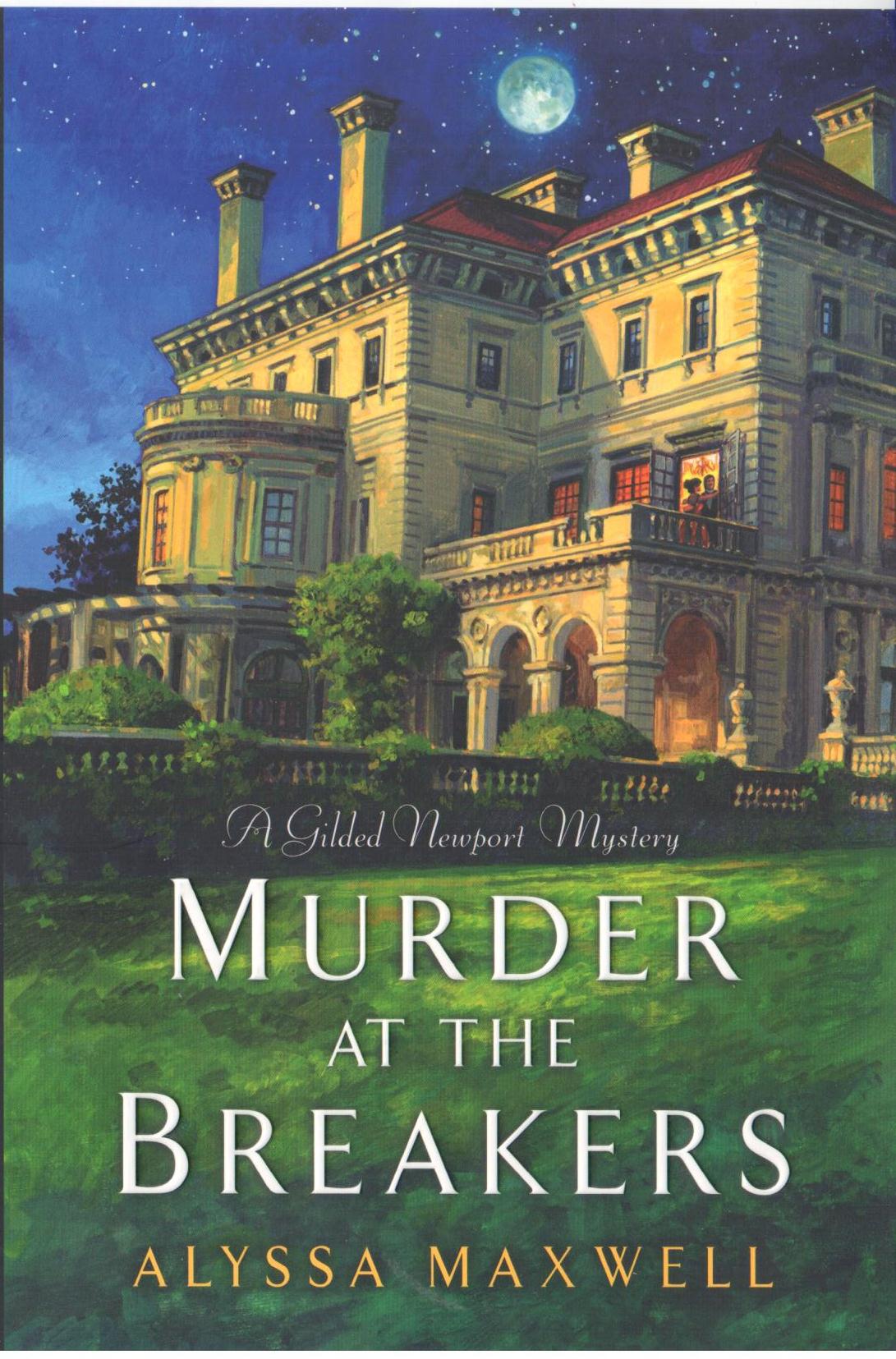
Please welcome the author of the Gilded Newport Mystery series, Alyssa Maxwell, who will give us look into her historical series:

Write What You Know? No! cover front

If you take a look at my website, you’ll see that writing my Gilded Newport Mystery series has been a very special and personal experience for me. With my husband and his family having deep roots in Newport, you could say that I’ve taken the advice so often quoted to aspiring writers: Write what you know.

In many ways, that’s true. I’ve gotten to know the city much better than if I’d merely vacationed there, and having that “insider’s” view has certainly allowed me to breathe more life into these stories.

So yes, I wrote what I know, but there was also so much I didn’t know when I started writing. The Newport of 1895 was much different than the one we know today. To make my stories believable and true to the times, I had to research the burgeoning technologies of the late 19th century – for example my heroine has a telephone and uses a typewriter, and electric trolleys run through town – as well as notions of class consciousness and the relationships between employers and servants.

No books about Gilded Age Newport would be complete without a look at yacht racing, luxury steam ships, and the kinds of carriages people drove. Fashions, occupations, pastimes – these were all on my “to be researched” list. And, of course, since my heroine is also a newspaper reporter, I needed insight on real women reporters of the times – and yes, there were a few, and some of them even managed to push beyond the limitations of society page news.

Besides my main characters, who are fictional, people like the Vanderbilts play important roles in the books. I’d heard of them, of course, and knew they were incredibly wealthy, lived in huge, ornate houses, and were connected to the railroad industry. But I had no knowledge of them as individuals, or how they interacted with each other. I had to get to know them on a much more personal level so I could remain true to their personalities and their family dynamics.

All of these elements, and more, I had to learn. But what kept it exciting for me was my desire to dig around in the past, find the puzzle pieces, and put them together. Let’s face it – after a while what you already know becomes one big bore. Staying inspired means taking risks and forging into new territory. It’s an adventure that keeps your writing fresh and makes you eager to sit down at the keyboard every day. So for me, it’s not “write what you know,” but “write what you want to know, and what you’re excited to learn about.” In other words, find your passion (or passions) and take off running!

Do you have a passion for something? Share below and be entered for a chance to win a signed copy of Murder at The Breakers! Or just leave any old comment – you’ll still be entered!

About Murder at The Breakers:

As the nineteenth century comes to a close, the illustrious Vanderbilt family dominates Newport, Rhode Island, high society. But when murder darkens a glittering affair at the Vanderbilt summer home, reporter Emma Cross learns that sometimes the actions of the cream of society can curdle one’s blood…

Newport, Rhode Island, August 1895: She may be a less well-heeled relation, but as second cousin to millionaire patriarch Cornelius Vanderbilt, twenty-one-year-old Emma Cross is on the guest list for a grand ball at the Breakers, the Vanderbilts’ summer home. She also has a job to do—report on the event for the society page of the Newport Observer.

But Emma observes much more than glitz and gaiety when she witnesses a murder. The victim is Cornelius Vanderbilt’s financial secretary, who plunges off a balcony faster than falling stock prices. Emma’s black sheep brother Brady is found in Cornelius’s bedroom, passed out next to a bottle of bourbon and stolen plans for a new railroad line. Brady has barely come to before the police have arrested him for the murder. But Emma is sure someone is trying to railroad her brother and resolves to find the real killer at any cost…

murder_at_MARBLE_HOUSE
Bio:
Alyssa Maxwell is the author of The Gilded Newport Mysteries, a historical mystery series featuring the glamor of a bygone era and a sleuth who’s a less “well-heeled” cousin of the illustrious Vanderbilts. The series debuted in March with MURDER AT THE BREAKERS, to be followed by Murder at Marble House
in September, and Murder at Beechwood in 2015. Alyssa will also be debuting an English-set historical series, The Foxwood Hall Mysteries, in October 2015. Alyssa and her family live in South Florida, where she is a member of the Mystery Writers of America – Florida Chapter, Sisters in Crime, and The Florida Romance Writers.

For review quotes, an excerpt, pictures, and all kinds of other fun stuff about The Gilded Newport Mysteries, please visit my website: http://alyssamaxwell.com. I love to hear from readers, so while you’re there feel free to drop me a line!

You can also find me at:
https://www.facebook.com/alyssa.maxwell.750


https://www.goodreads.com/author/show/7163135.Alyssa_Maxwell

Irish Author Mel Healy: Do They Speak English in Irish Crime Fiction? Sunday, Jun 1 2014 

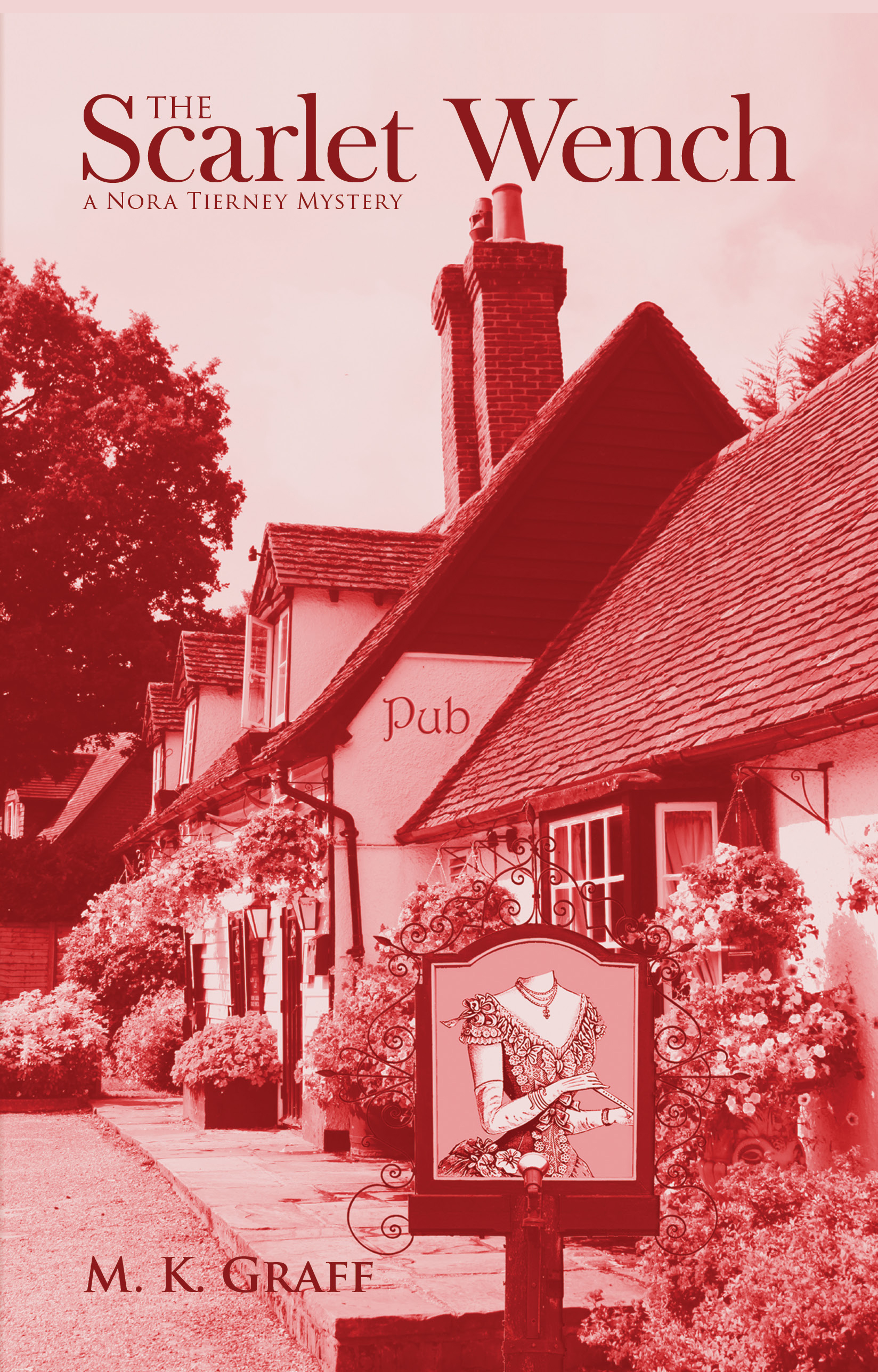
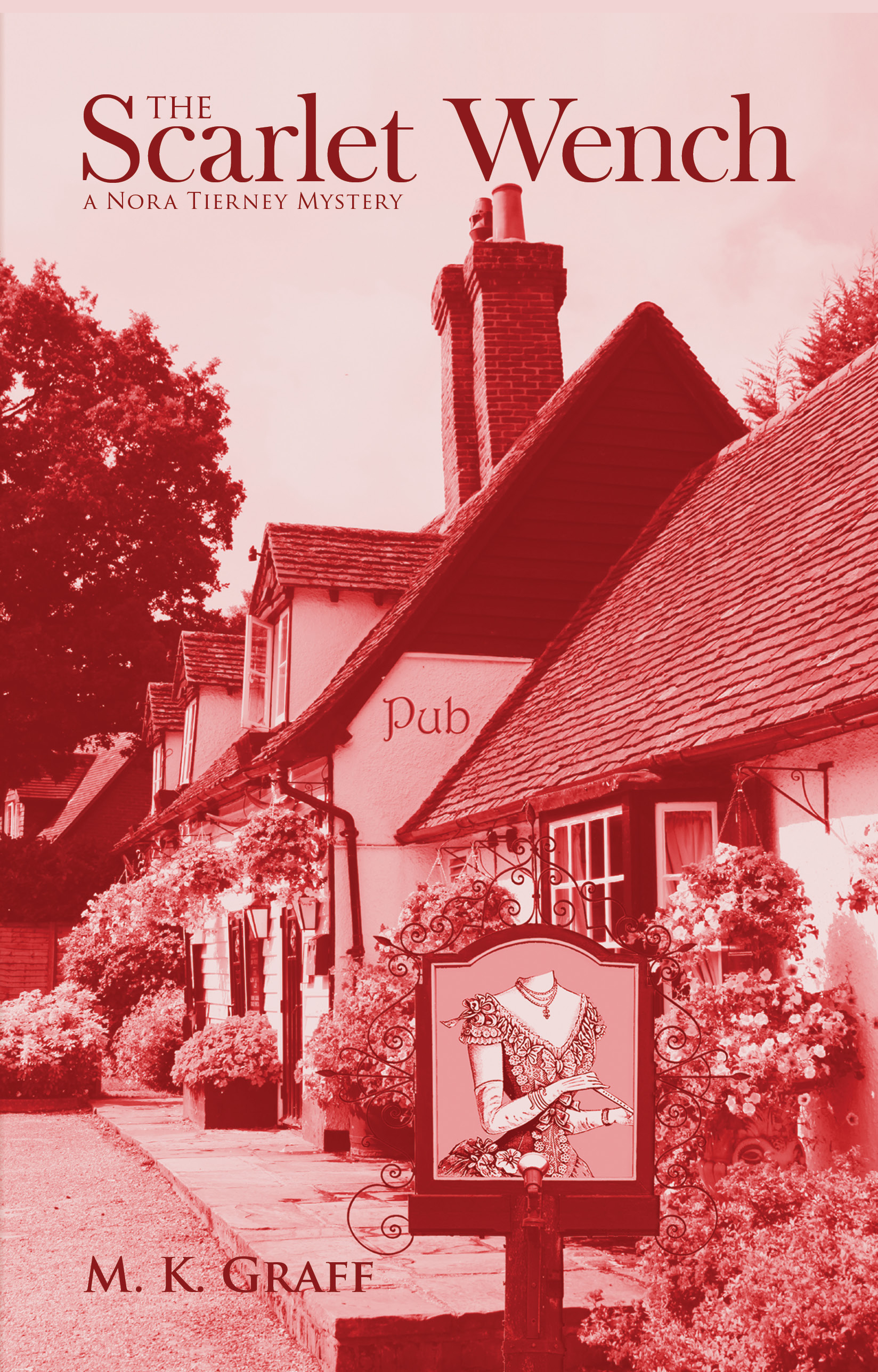
Auntie M is thrilled to announce the publication of her third Nora Tierney Mystery, THE SCARLET WENCH. scarletwench_cover_front
While she’s out on tour, please welcome Irish crime writer Mel Healy, author of the Moss Reid series, who will attempt to explain the vagaries of language he faces as a writer– as soon as we both murder a pint!

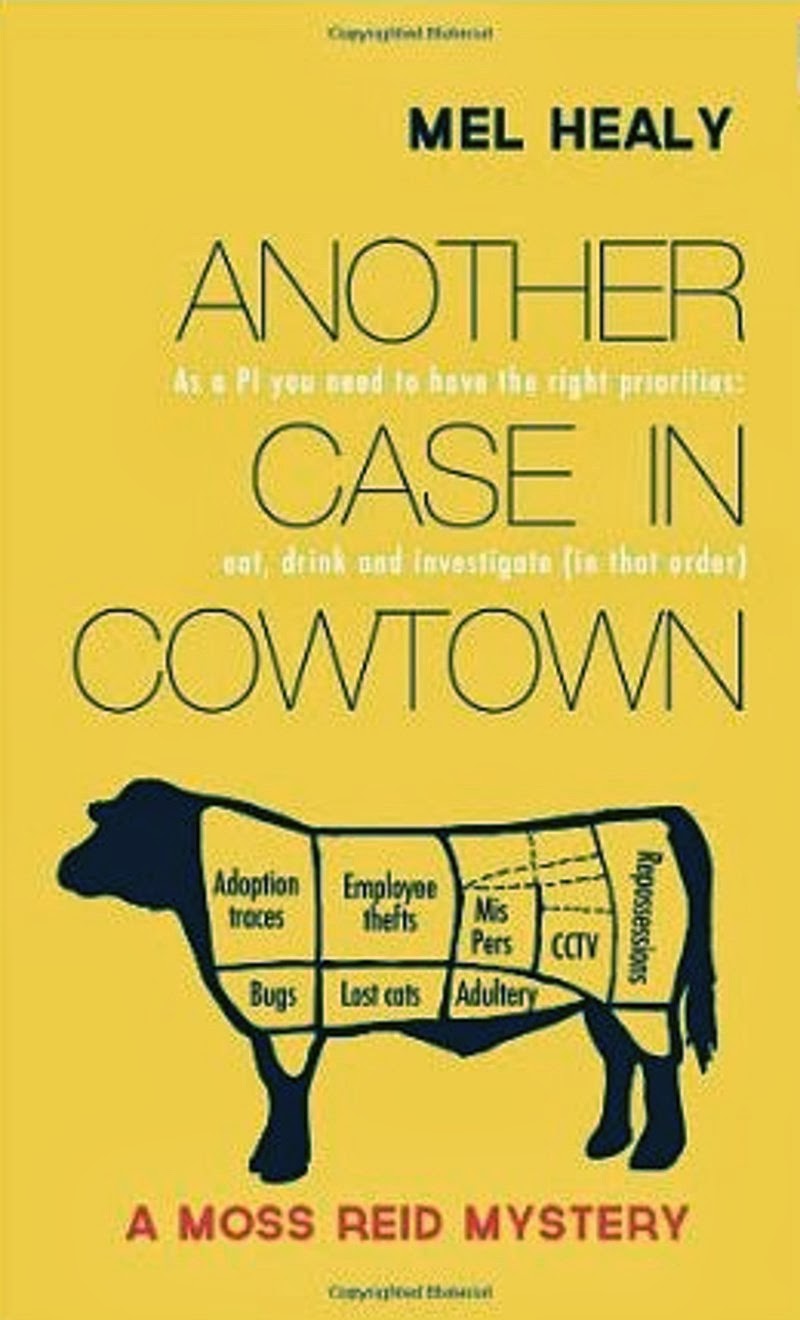
Another Case in Cowtown, Mel Healy

Do They Speak English in Irish Crime Fiction?

by Mel Healy

Here’s a little dilemma when writing crime fiction in English: what KIND of English should you use? The answer may seem obvious for US or British authors – simply set your spellchecker to “English (United States)” or “English (United Kingdom)” and off you go.

But it’s not quite so simple in my crime novels, which are mostly set in Ireland with mainly Irish characters. My spellchecker is set to “UK English”, the kind of spelling generally used in Ireland, which Irish readers would expect. Yet there are linguistic differences far deeper than mere spellings, or minor differences in syntax between UK English (as in “I met him on Monday, he killed her on Tuesday”) and US English (“I met him Monday, he killed her Tuesday”).

Take food. My central character, Moss Reid, is a PI and a foodie. His philosophy in life is “eat, drink and investigate – in that order.” So he uses British rather than American terms to talk about his grub – from courgettes (not zucchini) to biscuits (never cookies).

He’ll also talk about specific Irish food and drink: a “sliced pan” (as in a loaf of pre-sliced bread in rectangular prism shape), “colcannon”, “red lemonade” (I’ve an entire chapter on that), “Tayto crisps”. His food is stored in “a press” (the Hiberno-English term for a cupboard or closet) or “the fridge” (rarely “a refrigerator” in Ireland).

He never goes for “a few drinks” either. He goes “for a pint”. One pint, singular – which often descends into the plural because he “could murder another” (i.e. could do with a second one). In England, by contrast, Inspector Morse would drop into an Oxford pub (never a bar of course) for a pint of “real ale”. In Dublin, Moss Reid would have a pint or “a glass” (Irish pub term for a half pint) of “stout” rather than “ale”.

With the obvious exception of “pints”, my characters generally prefer metric to imperial units for food and drink, along with a plethora of Hiberno-English measurements such as the “rake”, “feed” or “clatter”. These mean “a lot”, “many” – as in “a rake of pints”, “a feed of drink”, “a few scoops”.

Hiberno-English uses a rake (sorry) of “British English” nouns in peculiarly Irish ways:

– “A yoke” is an all-purpose noun for objects, gadgets (particularly things whose name escapes you)
– “The jacks” are the toilets / ladies / gents (UK), bathroom / restroom (US), washroom (Canadian English)
– “The messages” refers to the shopping
– And “I’m dying for a fag” – this one always confuses my American friends – simply means someone has a craving for a cigarette.

My characters are more likely to say “grand” or “deadly” than the American “awesome”. In Hiberno-English a “deadly jumper” is a nice piece of clothing while a “deadly weapon” is not nice at all. Or take the word “crack” or “craic”: “a term for news, gossip, fun, entertainment, and enjoyable conversation” (Wikipedia). Hence phrases such as “mighty craic” or “the crack was ninety”.

So my characters use an English that’s quite different even to British English. They occasionally slip in an Irish word or phrase such as “slán” (“goodbye) or, more importantly, use Irish-language loan words when dealing with official state titles – the Taoiseach (head of government), the Oireachtas (parliament), and, of course, the Garda Síochána (police force) or gardaí or plain guards (cops).

Other relatively new phrases in common parlance from the Irish political and economic scene – “NAMA”, “Bertie-speak”, “the Galway tent” – are just the latest layers on top of all the older shorthand and sayings from Ireland’s largely colonial history. Hiberno-English dances at the linguistic crossroads, and does a rake of linguistic borrowing and bending in its merry dance. Hence my characters use terms such as:

– “Acting the maggot” (joking or acting the fool)
– “Culchie” (an unsophisticated rural person)
– “Eejit”, “bollix” (idiot)
– “Mitch” (play truant)
– “Bowsies”, “gurriers”, “gougers” (various nouns for rough or unruly elements)

Cultural reference-points are also quite different. Irish homes get US and British TV shows and know all about Oprah or Dr Who. But the media flow tends to be one-way: outsiders might know about U2 or “Father Ted” but wouldn’t have a clue about most Irish radio and TV, from “Love/Hate” to Mario Rosenstock, or catchphrases such as “Stop the lights” (from a 1970s gameshow).

Hiberno-English has another twist: sentence constructions that echo the Irish language. For example, in Irish you can’t say “I have written another book” – there’s no “have” in Irish. Hiberno-English mirrors this with “I’m after writing another book”. This construction (“I’m after killing him”, “She’s only after losing four stone!”) is called the “hot news perfect” or the “after perfect”.

Or take the question “Is that yourself there?” The reply might be along the lines of “It is.” Because Irish has no words for “yes” and “no”, in Hiberno-English the verb in the question gets recycled:

“Are you going for a pint?”
“I am” (instead of plain “yes”).

“Is your iPad working?”
“It isn’t” (rather than plain “no”). “Cos it’s banjaxed” (broken).

Hiberno-English likes conditionals (“She asked me would I help her” rather than “She asked me to help her”) and negatives (“This wouldn’t be the road to Skibbereen would it?”) and apparently empty words in conversations – like “like”, “know what I mean”, “so”, “sure”, “only”, “at all at all”. And, like Irish, it has both a second person singular (“you”) and second person plural (“youse”).

As the poet Ciaran Carson puts it: “I write in English, but the ghost of Irish hovers behind it.” Hiberno-English is a melting pot, with words and constructions from Irish, and archaic English words that fell out of use in British English. It even fills in certain gaps in English syntax. For example, “amn’t” (as in “am not”) is taken for granted in colloquial speech and literature (James Joyce in “Ulysses”: “Amn’t I with you? Amn’t I your girl?”), yet regarded outside Ireland as ungrammatical.

By now youse are probably wondering “Do the Irish speak English?” That’s also the title of a lecture by Terence Dolan, compiler of a Hiberno-English dictionary. Hiberno-English “is a distillation of the Irish character,” he says. “Irish people over the centuries have been oppressed, so therefore they don’t want people to know what it is they’re thinking or saying.” Hence, he says, Hiberno-English is “devious to start with, and evasive”. A real bonus when you’re writing crime fiction, particularly dialogue.

Without overdoing it, the dialogue in my books tries to give a flavour of all this. Maybe that’s breaking a textbook rule, as well as screenwriter John Yorke‘s sound advice: “Good dialogue doesn’t resemble conversation – it presents the illusion of conversation, subservient to the demands of characterisation and structure”.

But sometimes rules are there to be broken. Especially when speaking “broken English”.

Finally we can’t avoid the questions of (a) how much swearing to include (the Irish do tend to use swearwords as punctuation marks) and (b) the feckin’ weather. Apparently Ireland has more words for rain than the Inuit have for snow, and only in Ireland would a light sprinkling of rain be described as “a soft day”.

At the end of the day, though, let’s not get too hung up on the differences. Readers notice the differences standing out when something is phrased in a way that wouldn’t be heard in their locale. But the strength and beauty of the English language is that it’s both global and local. It spans borders yet enriches itself through its sheer diversity, feeding on the linguistic and cultural differences from place to rainy place.

Right. I’m off to murder a pint.

Mel Healy’s first two novels in the “Moss Reid” series are “Another Case in Cowtown” and “Black Marigolds“. For more info see his Amazon author profile at http://amazon.com/author/melhealy

Daniel Palmer: Desperate Sunday, May 25 2014 

Desperate
Just when you think there can’t be a new twist to a story, along comes Daniel Palmer, who surprises readers yet again with his newest thriller, Desperate.

Told strongly in first person from the point of view of Gage Dekker, he and his second wife Anna Miller are desperate to adopt. Both have survived the loss of a child, and for Gage, the added loss of his first wife, Karen, compounds his despair when he meets Anna in a grief survivor’s group. After a whirlwind courtship, a meeting of the minds and hearts, the two are married six months when they decide to adopt after Anna experiences a miscarriage.

A chance meeting with unwed mother Lily turns their anticipated long wait to adopt into a sudden rush when Lily asks them to adopt her baby. With their upstairs tenant gone, Lily is installed over their heads to await the blessed event.

And then things start to horribly go wrong for Gage in several areas of his life, and Lily seems to be at the bottom of it all.

But Anna refuses to believe Gage when he insists Lily is sabotaging his life. The two women have bonded and Anna is desperate for this child to complete their family; she blames Gage for the seemingly innocuous incidents that have him believing Lily is not who she seems to be.

As the stakes are raised, Gage will find himself embroiled in a fantastical plot he can’t find a way out of, one that leads to murder, and he’s stuck at the heart of it.

This compelling thriller will appear to leave Gage no way out, and then the complicated plot takes yet another twist until it careens around a sharp curve and readers will be left breathless and amazed at the audacity Palmer infuses into his novel.

Compelling and intelligently written, Palmer will hook readers and draw you in, in this inventive thriller with its surprising events. Unexpected and original.

Linda Barnes: The Perfect Ghost Sunday, May 18 2014 

Linda Barnes is best known for her award-winning Carlotta Carlyle novels. Now she returns with an intriguing premise for a crime novel in The Perfect Ghost. perfectghost
Em Moore is the quieter, writing half of the ghost-writing “autobiography” team of T E Blakmore. Her partner, Teddy Blake, the face of the team with his charismatic personality and winning way during interviews of their subjects, has perished in a car accident.

Despite panic attacks and agoraphobia, Em pursues finishing their most recent contract with the actor, director and filmmaker Garrett Malcolm, and travels to his lavish compound on Cape Cod. The son of a family with theatrical ties, Malcolm is known for his attention to detail and his way with women. A widower with an only daughter, Malcolm wins over the impressionable Em.

It’s hard for Em to come out of her shell but she persists, using learned coping mechanisms, and soon winning Malcolm’s interest and finally his respect. She feverishly pursues their remaining interviews while composing the book, all the while distracted by the persistent questions of a local police detective who suspects Teddy’s accident was not quite so accidental.

Along the way she finds herself reluctantly introduced to a local gossip-monger and tries to decipher the clues he’s collected that point to a dark secret Malcolm is hiding.

Told in Em’s narrative to Teddy, we see the action through her eyes and the unfolding of a story that will leave readers with raised eyebrows, and in a final unseen twist, shocked at the ending.

Barnes just a great job folding readers into Em’s world, who will be caught up in her story. She uses devices like police reports, newspaper clippings and the transcripts of some of Teddy’s interviews to weave a compelling story that will leave readers totally unprepared for its surprising climax.

A Bag of Goodies: Robertson, Entwistle, Parks, Sigurdartdottir, & Hawley Sunday, May 11 2014 

Auntie M wishes all the mothers reading this a very Happy Mother’s Day.
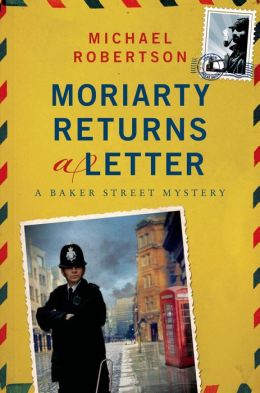
Today she’s going to give you a really mixed bag of goodies to choose from for your reading pleasure.MoriarityReturnsLetter

First up is Moriarty Returns a Letter by Michael Robertson, the continuing saga of brothers Nigel and Reggie Heath, whose law firm is located at 221B Baker Street. Its rental comes with the added burden of herding the mail that arrives addressed to Sherlock Holmes.

This innovative series is pure delight, and opens with an exhibition of vintage letters to Sherlock Holmes going on display at the Marylebone Hotel. Reggie and his fiancee Laura are set to leave on an engagement trip, a precursor to their long-anticipated wedding.

Then Darla Rennie turns up, a troubled young woman convinced Reggie is Sherlock Holmes and that she is the descendent of Moriarty. With the single-minded determination and cunning abilities of the evil Professor, Darla manages to turn up at unexpected times and places and generally throws a substantive monkey wrench into the proceedings.

The history of her gripe has its seeds in the death of an 1890’s Pinkerton officer from America working undercover in England. His story and one from the 1940’s add to the storyline as the contemporary 1990’s events unfold.

Nigel and Reggie prove an interesting pair of protagonists in the series, not quite Holmes nor Watson, but certainly with shades of each in their makeup. A fine addition to the series.

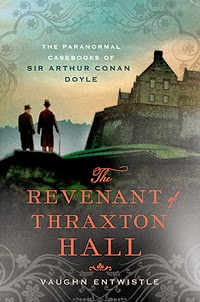
thraxton-hall-200
Keeping with the Sherlockian theme, the next offering is Vaughn Entwistle’s The Revenant of Thraxton Hall, which goes back in time to the days immediately after Sir Arthur Conan Doyle killed off Holmes in his story in The Strand Magazine, setting off a public frenzy that saw people sporting black arm bands in mourning and pelting the author with rotten tomatoes when they recognized him out in public.

When medium Hope Thraxton asks Conan Doyle to attend her, the young heiress informs him she needs his help to stop a murder–hers. Despite misgivings at leaving his ill wife at home, the author jumps at the chance to leave town,an dis accompanied by his good friend, Oscar Wilde. Together the two venture to Thraxton Hall for the meeting of the Society for Psychical Research, a group of supernaturalists who each have a motive for wanting young Hope’s death.

Spookiness abounds, with weird happenings and nightly seances, acts of levitation and the pronouncements of a russian mystic of the revenant, or returning spirit, who haunts Thraxton Hall. All of the action is lightened by Wilde’s breezy patter and affectations. The two men will attempt to figure out the real motives of those at the gathering before murder can occur. The first of a planned series, these feature Conan Doyle’s real-life absorption with the paranormal and promise to be filled with whimsy quirks and fantastical plots.

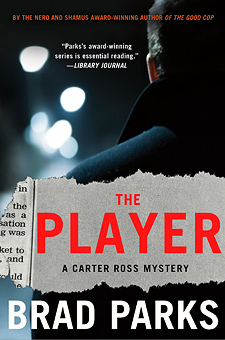
player-225

Leaving England for Newark, New Jersey, brings us to Brad Park’s newest Carter Ross mystery, The Player. Told in first-person narrative with Ross’ wry humor at the forefront, this caper revolves around strange illnesses affecting the residents of a small neighborhood, a story that sets Ross’ antenna quivering.

As he uses the skills of a new intern to augment his work, Ross fends off the odd relationship he’s developed with his editor and former lover, Tina, but a new wrinkle has them revisiting their roles. The story he’s working on goes beyond a supposedly smarmy developer and equally suspicious crime boss.

But his poking around sets off alarms and he soon finds himself embroiled in the people who might benefit from a class action lawsuit and finds he’s found himself a brand new enemy.

Park’s humor keeps this series from bogging down while he tackles serious issues and gives outsiders a real perspective of life inside a newspaper and of blue collar Newark.

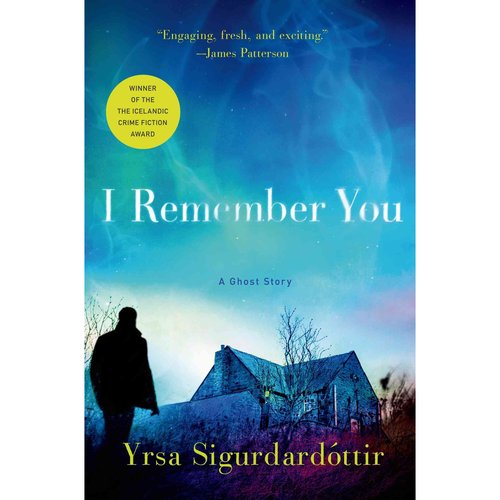
IRememberYou

Icelandic author Yrsa Sigurdartdottir already has a following for her mystery series featuring lawyer Thora Gudmundsdottir. She returns with a new a ghost story, I Remember You, that will wrap you up in its eeriness and leave an impact long after the last page has been turned.

Three people arrive in the isolated village of the Icelandic Westfjords, set to start work on renovating an old house. Bought by two male friends, one has died suddenly, leaving his widow to accompany the other married couple as they set to work.

The remoteness and debilitated condition of the house add to the spooky atmosphere as weird things start to happen. It soon becomes evident that some otherworldly force wants them to leave the house.

The story runs alongside the saga of a divorced physician who becomes involved in investigating the suicide of a woman–a woman he discovers had become obsessed with his own son, who disappeared and is presumed dead.

This scary thriller who have you on the edge of your sheet and looking over your shoulder. If you like stories that raise the hairs on the back of your neck, this one’s for you.

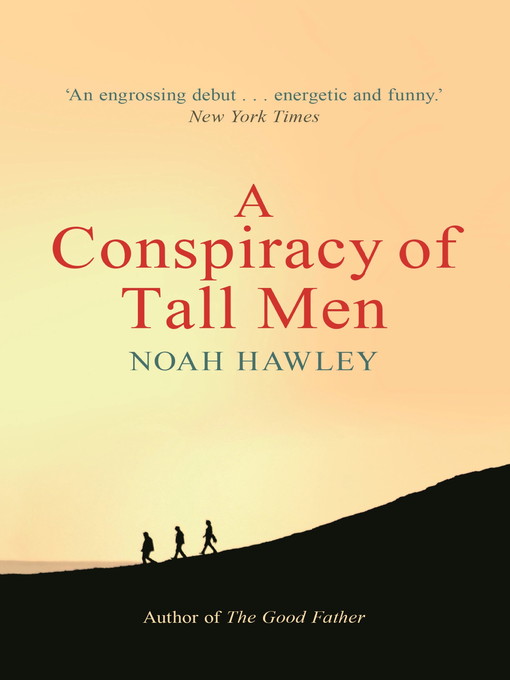
Conspiracy

Noah Hawley has created and written screenplays and television shows and several previous novels. Now he brings A Conspiracy of Tall Men to the reader in the same way controversy followed him for The Good Father.

In this offering, Linus Owen teaches conspiracy theory on the college level and follows his own ideas on the subject with two dedicated theorist friends in his off-time. He and his wife, advertising executive Claudia, have an ideal life and have decided to start their family after her return from visiting her mother in Chicago.

Then two FBI agents arrive with startling news. Claudia has been killed in a plane crash–but the plane was headed to Brazil. What she was doing on that plane and how she got there form the basis of the investigation Linus pursues.

From the get go, he sees the list of passengers he’s received is not complete. Then he learns Claudia’s fellow traveler was VP of a large pharmaceutical company. With his conspiracy radar pinging on high, Linus sets out to unravel the mystery of his wife’s death, with the help of his friends, to devastating circumstances.

Linus’ rambling thoughts and asides provide black humor for the book, but it will be the unusual reader who will not find themselves buying into his rants and ideas as the action unfolds. Entertaining and different.

Jan McCanless: The Beryl’s Cove Mysteries and More Sunday, May 4 2014 

While Auntie M is in MN enjoying her four Grands there and her 23rd wedding anniversary, please welcome author Jan McCanless, whose wit and charm delight readers.

Over Connected but Underwired

by Jan McCanless
McCanless 1

There was a cartoon in the paper the other day that had the born loser looking forlornly at his computer screen, and Gladys was asking him what the trouble was. He replied that there was a news story he wanted to read that would help him with his memory, and he couldn’t access it because he had forgotten his password. That, my friends, is the story of my life!!

You would think that being a newspaper columnist I would know how to do tricks on a computer, I mean, really make it sit up and spin around. Hah !!!!! I know just enough to get me by vis-a-vis my emails and sending in my work to various editors around the country.

Somebody told me recently that they were surprised I was not banging away on an old Underwood typewriter someplace. Hey, if I could find one, I would…

I have a sister-in-law who raves about her Kindle, her iPad, her tablet, her iPhones, whatever. She will begin rhapsodizing over all these electronics, while I sit there with that deer-in-the-headlights look. Just this morning, my friend emailed about a new computer he is trying to set up at his house. He raved about memory chips, hardware, motherboard, gigabites, etc, and I sat here, my eyes glazing over. I’m thinking to myself, what in the world are these people talking about??

I recall a job I once had that required me to have a cell phone so the office could get in touch with me. At that time, my daughter had given me an old one she felt was obsolete, so, there I was, riding around on the tour bus I was escorting someplace, when the phone rang. I whipped it out, pulled up the antenna, and to my horror, all 56 passengers on the bus were laughing and pointing at me. What????? It was a cell phone for heavens sake!! Not long after this, the thing simply died on me. It was, after all, a fossil from the dinosaur age. Off I went to my local wireless store. See, I did learn the terminology. Wireless, has a nice ring to it, doesn’t it? Give me the cheapest, easiest thing to operate, I told them. They did, but then the salesman started to explain all the neat things it would do: you hit this button, it turns on the camera; this over here, he said, was the speaker; on and on. Even told me how I could text. Text, me???

Putting my new toy in my handbag, I inadvertently turned the camera on. It would be a disaster, but, I did get a lot of nice shots of the interior of my handbag. The first time it rang, it scared me to death. I had forgotten how to turn it on and speak into it. Well, you can understand my predicament now, can’t you? I am definitely of the on/off switch generation, and you people have put me in this situation , and I can tell you right now I am not happy about it.

Soon after they bought me my first microwave oven, I told my children that I would never want for any other modern device. They told me I had to come into the modern age and to use a computer. “Get connected, Mom” they told me. “You can’t access the internet with a microwave oven.” How do they know, have they ever tried?

The whole world is ‘connected’ electronically, but I am underwired for such things. It’s all I can do to operate my can opener/knife sharpener, and I didn’t even realize my can opener also contained a knife sharpener until my daughter-in-law used it one day. I thought those ridges on the back of the thing were merely a nice design.

Look, I’m happy, blissful in my ignorance, and think of the time I don’t waste by being constantly on one of those electronic gizmos. Just for your information, I don’t care for vending machines, either. They always seem to take my money and stop functioning at that moment. Besides, if I learned to be really proficient on one of those things, what in the world would I write about?

Contact Jan at janet.mccanless@janmacbooks.com or via the e mail at janmccanless@aol.com She may write you back!

2007--Janet-McCanless-backside#1
Jan McCanless is a retired high school teacher and free lance columnist for several national newspapers and national publications. She’s authored 9 books, 7 in the Beryl’s Cove mystery series, and 2 compilations of funny columns, magazine articles and humor presentations around the country. A former woman of the year in Rowan County, Jan was among the nominees for International Woman of the year in 2005, for her work as a child advocate and in family violence prevention.

Listed as one of North Carolinas premier humorists, Jan often writes about her escapades trying to unravel the confusion of electronics, while maintaining her status as a member of the on/off switch generation. She takes pride in the fact she just recently learned how to use my electric knife sharpener, and braved the world of the ATM.

Married for a lifetime, she is the proud mother of 3, and grandmother of 9, who happen to feel, as I do, that I am awesome! She resides in rural Rowan County, but, you can probably catch her at one of her appearances around the country, or some regional book fair or signing. Jan says: “You can’t miss me, I am the one without the cell phone attached to my head, or using the iPad or any other gadget popular today. I’ll be doing my figuring on paper, with pencil, but I do work crossword puzzles in ink. Having been compared to Erma Bombeck, all I can say is: I am funnier and prettier, so, enjoy yourself while you read about my latest adventure.”
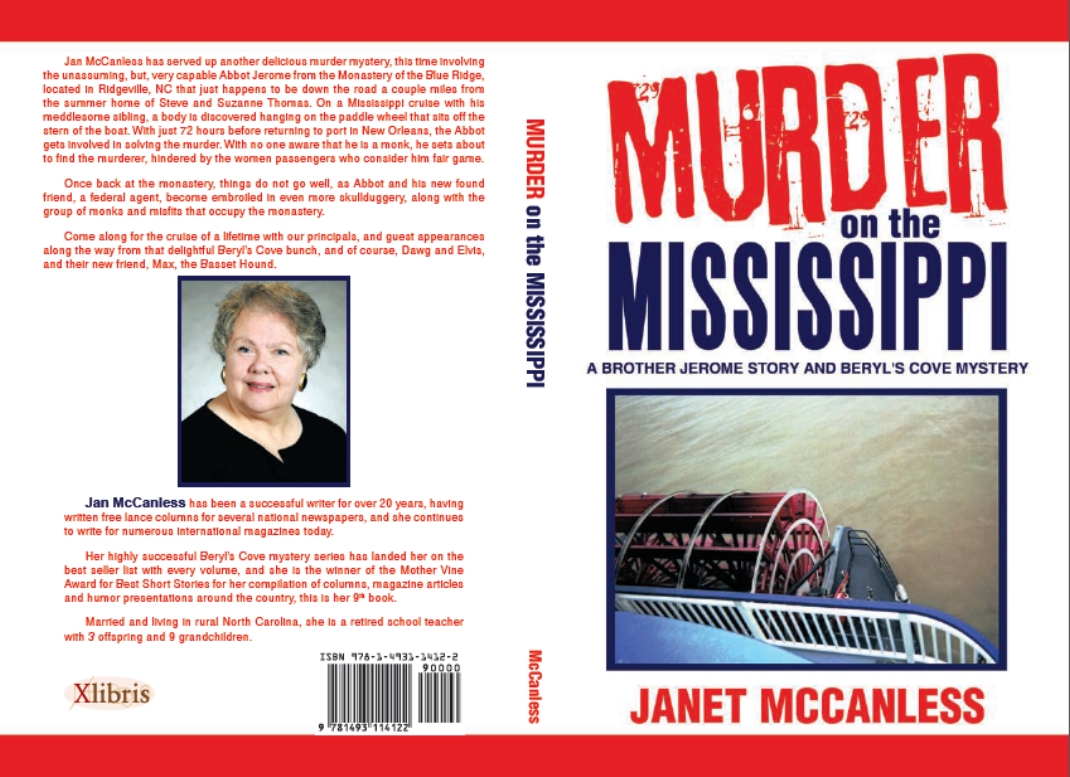
Murder on the Mississippi cover galley

The Beryl’s Cove Mysteries:

Beryl’s Cove and the Elvis Man

The Case of the Doomed Diplomat – a Beryl’s Cove Mystery

Great Scott -A Beryl’s Cove Mystery

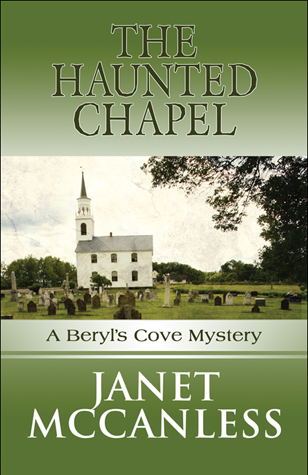
The Haunted Chapel – A Beryl’s Cove Mystery

Back to Beryl’s Cove -Train Ride to Homicide

The Choir Loft Murders – A Beryl’s Cove Mystery

Murder on the Mississippi – A Brother Jerome Story and Beryl’s Cove Mystery

Compilations:

Wyatt Earp, GAP Pickles and Thoughts of Home -won the Mother Vine award for best short stories of 2013

Tire Patch Cookies are Good for the Soul -nominee for Mother Vine award for 2014

th-th-that’s all folks !!!!!

R. E. Donald: The Highway Mysteries and Hunter Rayne Sunday, Apr 27 2014 

Auntie M is at the Day of the Book in Kensington, MD today. Please drop by the Bridle Path Press table to say hello if you are in the area. In my absence, welcome R. E. Donald, who shares the story of her Highway Mystery Series.

A Hero in the Slow Lane

If you don’t personally know a trucker, this might come as a surprise: truck drivers are as diverse and disparate a group of individuals as the general population. Some are happy-go-lucky and chatty, some are crude and unkind, some are well-educated and eccentric, some are cowardly and mean, some are messy and good-natured – I could go on.

An assorted group of former truck drivers, for example, are Elvis Presley, Liam Neeson, Charles Bronson, Sean Connery and Richard Pryor. The long-haul driver I write about in the Highway Mysteries, Hunter Rayne, is a hero, in his own polite, tormented way.
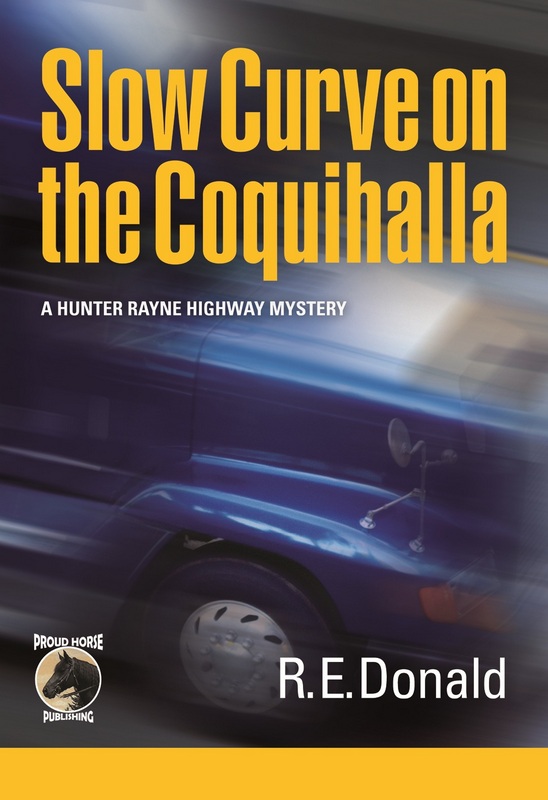
SlowCurve

Why would a woman whose favorite mystery novelists at the time were Dorothy L. Sayers, Elizabeth George and P.D. James, choose to create a series whose hero is a truck driver? Having lived most of my life on the west coast of North America, I couldn’t write a series set in England (although Elizabeth George, whom I learned a great deal from at an excellent writing workshop at The Book Passage, has done it very successfully). I wanted to write a traditional-style mystery in a setting that I knew well, with believable situations, and with characters that seemed so real that a reader might expect to meet them in her home town. I had a lifetime of west coast characters and twenty-five years experience in the international transportation industry to draw on for ideas and inspiration.
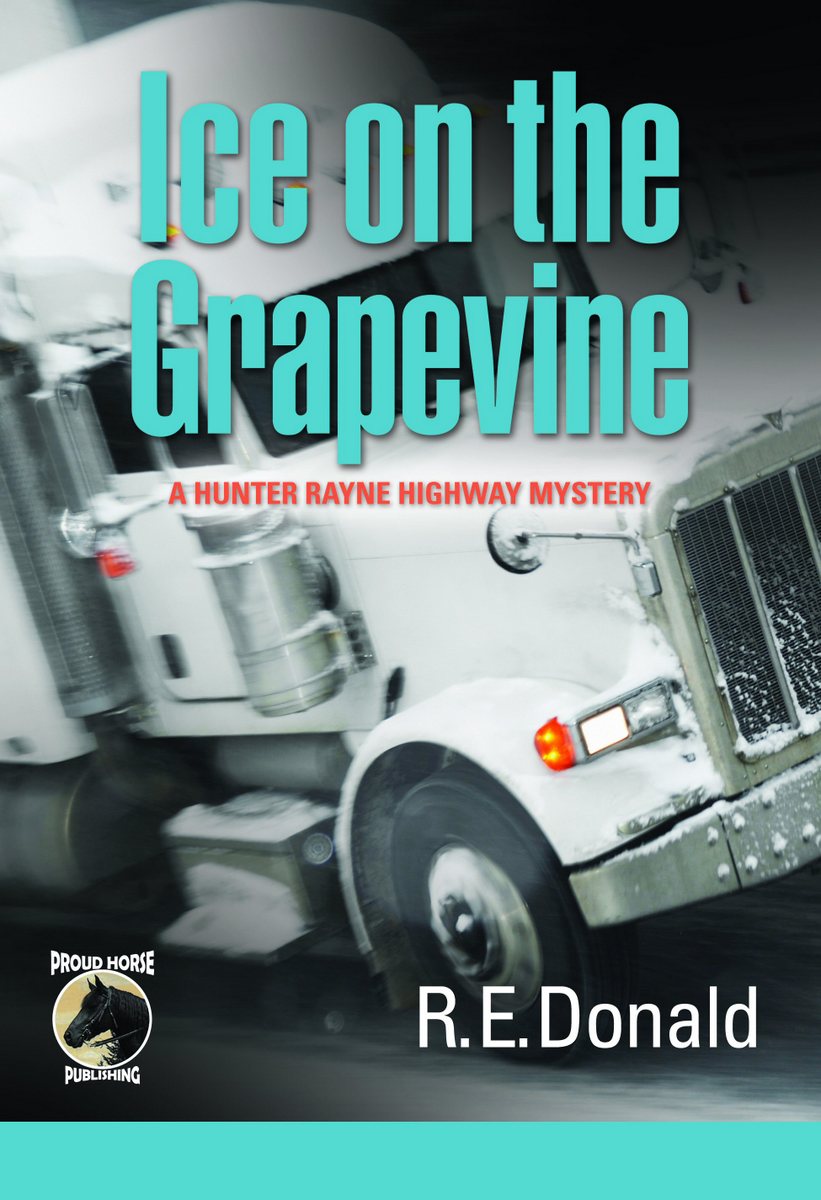
IceontheGrapevine
I looked at my bookshelf and realized it held numerous series featuring police detectives, lawyers and private eyes. I had no desire to compete head-on with the likes of Michael Connelly, John Lescroart and Sue Grafton, yet I wanted a hero who might realistically get involved in investigating murders and also have access to some of the investigative tools a true amateur would not. A former homicide investigator with friends still in the police force fit the bill.

As a fan of the TV series “Murder She Wrote”, I also realized that setting a crime series in a single community raised issues of credibility. How many murders can take place in one small town like Cabot Cove? With my hero on the road, I have a continent full of crime at my disposal.
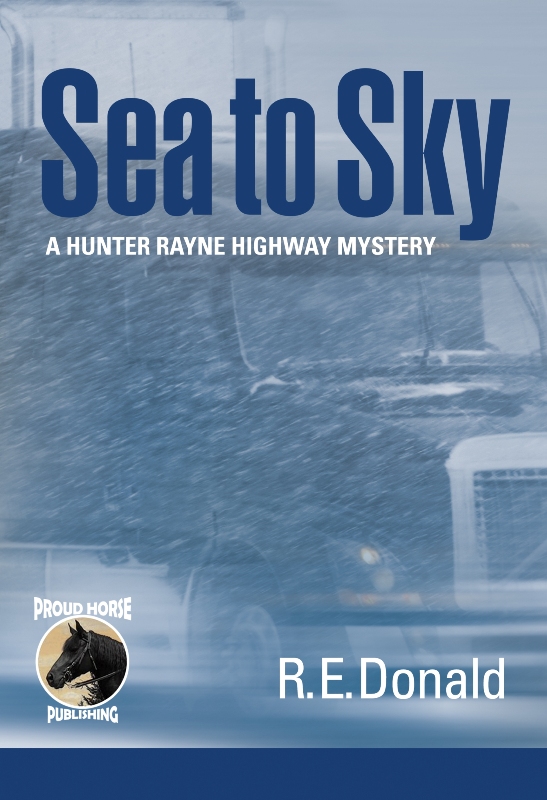
Sea_to_Sky

That’s how the Highway Mysteries series with “semi-professional” detective Hunter Rayne was born. The first novel in the series, Slow Curve on the Coquihalla, is named after the mountainous highway featured in Discovery Channel’s “Highway Thru Hell” reality show. The supporting cast includes Hunter’s boss and dispatcher Elspeth Watson and a garrulous biker of Viking descent named Dan Sorenson. In spite of an acrimonious relationship with his ex-wife, Hunter struggles to stay connected with his two teenage daughters. His divorce and the suicide of his best friend have left him with wounds that are slow to heal, and a need for the solitude afforded him by life on the road.

You can find Slow Curve on the Coquihalla, Ice on the Grapevine and Sea to Sky in digital or print format at most on-line book retailers, or they can be ordered through your favorite bookstore. A fourth novel in the Highway Mysteries series will be released later this year.

RE Donald web
Full information is available at proudhorsepublishing.com or the author’s website at redonald.com.
About R.E. Donald: Ruth recently moved to a ranch in the South Cariboo region of British Columbia with a French Canadian cowboy, three horses and two dogs. She has never actually driven an eighteen wheeler, and probably never will.

Nicola Upson: The Death of Lucy Kyte Sunday, Apr 20 2014 

Readers know that Auntie M has long been a fan of Nicola Upson’s series set in the 1930s and featuring Josephine Tey as the protagonist. Starting with An Expert in Murder, through the stunning Fear in the Sunlight, each book is carefully researched and an enjoyable read.

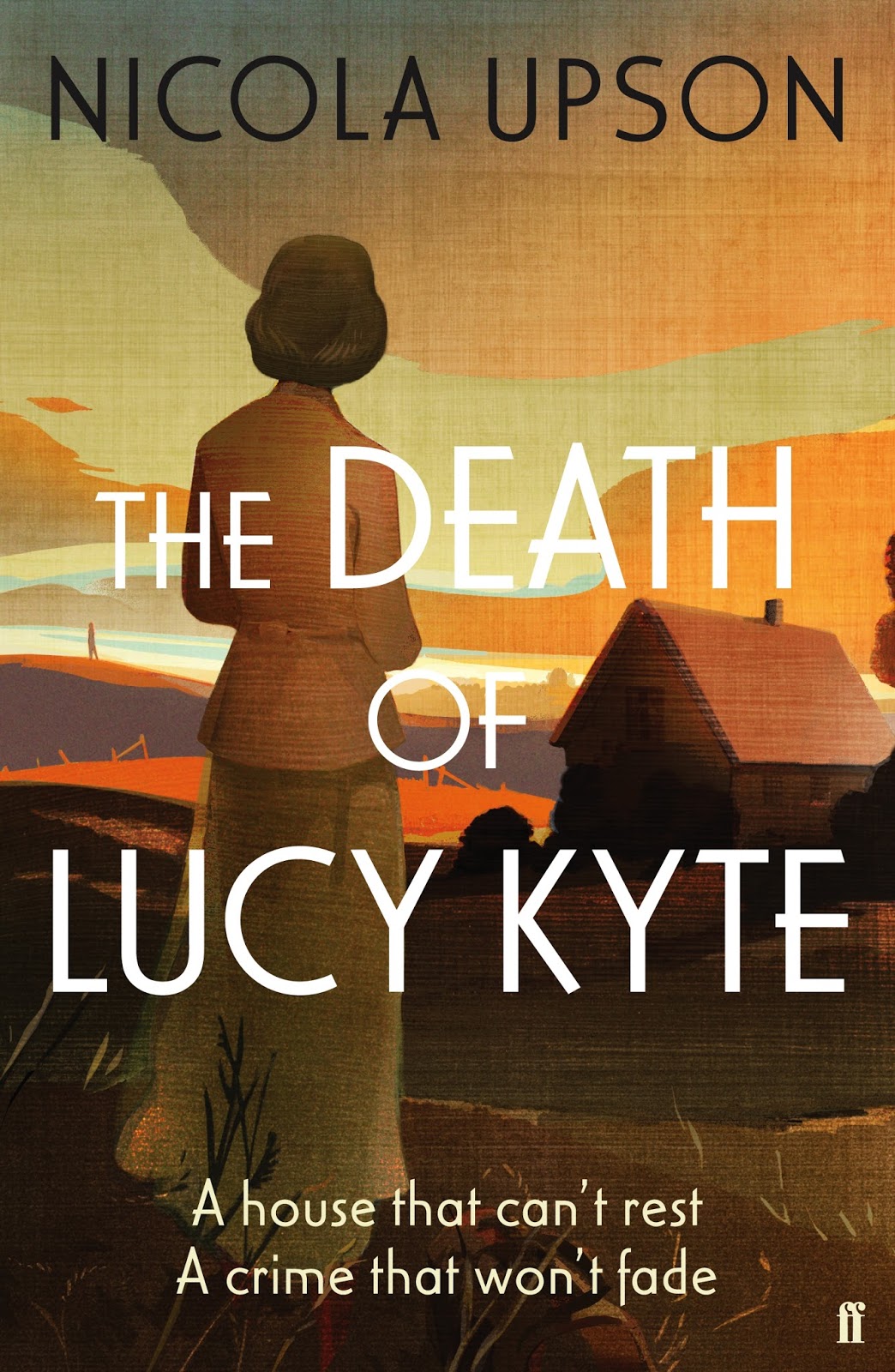
So it was with great delight that after this brief review she is able to bring you an interview with Upson with questions based on her newest offering. THE DEATH OF LUCY KYTE is perhaps the author’s most challenging novel to date, a mystery within a mystery, meticulously researched, and a resounding read. It’s complex plot features the Suffolk countryside as the setting, where Tey has inherited a remote and crumbling cottage from her godmother.
Death of Lucy Kyte

Along with the hard work needed to make it habitable comes just the sort of intrigue to pique the interest of a mystery writer. A centuries-old murder still resonates on the minds of the villagers; yet the young woman named as the beneficiary in Tey’s godmother’s will seems to have disappeared from their memories. How Tey solves the mystery of Lucy Kyte forms the basis of this intelligent and rewarding read. Highly recommended.

And now in her own words, learn the story behind this book and please welcome Nicola Upson:

Auntie M: You obviously spend a great deal of time doing research on your novels and their settings and history: Angel With Two Faces and the Minack Theatre in Cornwall; Fear in the Sunlight and the Hitchcock’s in Portmeirion, Wales. Now with The Death of Lucy Kyte you’ve indicated that Polstead and the story of Maria Marten and William Corder is one you grew up with and wanted to explore in this book. How did you decide on the storyline to bring Josephine Tey to the area and involve her in its history?

Nicola Upson: I felt justified in bringing Josephine to Suffolk, as she had Suffolk ancestry on her mother’s side – her family brewed beer in the county – and it’s clear from her letters that she often visited many of the places that are referred to in the book – Stoke, Lavenham and, of course, Newmarket for the horseracing. ‘Josephine Tey’ was a pseudonym (her real name was Elizabeth MacKintosh) and she claims to have taken that name from her Suffolk great-great-grandmother. But you’re right – the decision to set a book in Suffolk was a personal one, and much more about me than it was about her! It’s my home county, where I grew up and where most of my family still lives, and it’s where my roots are. So – perhaps inevitably – Josephine’s story is a very personal one in this book, a story that touches on her family and her past, and in which she feels very strongly the presence of the people she’s lost, and the book feels very personal to me as well.

The Red Barn Murder – the killing of Maria Marten by her lover, William Corder in May 1827 – is certainly the first crime story I was ever aware of. As a child, I remember summer days out in the Suffolk village of Polstead with my parents, walking past Maria’s house or William’s, fascinated even then by what had happened there and by the real people behind the legend. I lived in Bury St Edmunds, the town where Corder was hanged, and every weekend I passed the Gaol where the execution took place on the way to my grandmother’s house. Bury’s museum, Moyse’s Hall, has a macabre collection of exhibits from the crime – Corder’s scalp and death mask, an account of the trial bound in his skin – and those things were so thrilling and so horrifying to a little girl. And we know from Tey’s work that she was fascinated by true crimes from the past – The Franchise Affair and The Daughter of Time are both based on historical crimes – so I felt she would have loved the facts and the mythologies that circle around the Red Barn Murder, too.

Choosing and getting to know the setting for each book is, for me, one of the greatest joys of writing. Lucy Kyte was different in that Polstead was a place I knew well as a child and have now rediscovered; most of my other novels have been set in locations that I’ve come to know primarily through the act of writing and research, places like Portmeirion or areas of London which were unfamiliar to me before I set books there. So it was special for me to revisit those childhood landscapes, to see Polstead in each new season and to imagine myself back there in a different time – first Josephine’s, and then Maria’s. 


AM: We don’t learn who Lucy Kyte is until the storyline is well-established and unravels, yet her death forms the last part of the book. After reading it, I realized this was absolutely the best title for this book. Did that come to you after writing the book, or was it always your premise from the start?

NU:

It’s the only one of my books that has had and kept its title from the very beginning. Titles are so hard because it’s not just your decision: you have to find something that feels right to you for the story, but your publisher has an input and it has to be something which tells a reader what to expect and which fits with the genre you’re working in. It wasn’t until Two for Sorrow that I titled one of my own books! My editor suggested An Expert in Murder, and PD James gave me the poem that’s titled Angel With Two Faces, because she felt it was exactly what the book was about. But there was never any question about this one: as soon as the character was named Lucy Kyte, the book had its title and I’ve never thought of it as anything else.

AM: Even as you’re promoting Lucy Kyte I’m certain you’re researching and writing the next Tey book. What’s in store for Josephine that you can share, and will her cottage figure in the future you have planned for her?

NU:The sixth book in the series – which currently has two titles! – is indeed underway, and it sees Josephine back in London in May, 1937, where she is involved in a cycle of radio plays at the BBC to celebrate the coronation of George VI. The repertory company of characters is back for this book, with Archie and Bridget, the Motleys and Lydia, but there will be other books that are more intensely focused on Josephine in the way that Lucy Kyte is.

Josephine’s cottage will be a very important part of her future, particularly as we head towards the war years. It’s funny, but when I started Lucy Kyte I deliberately held back on making a decision as to whether or not she would keep it at the end of the book: I wanted to feel my way into it as she did, and see how we both settled in! But there was no doubt in my mind by the end that she’d fallen in love with it, and I certainly haven’t finished with Suffolk as a novelist. And in all the books, there is an element of wish-fulfilment, of giving Josephine things in life that I genuinely believe she would have enjoyed under different circumstances. She wrote very movingly to friends about wanting one day to make a home for herself – she’d always lived in digs or the family house – but never got the chance to do that as she died so shortly after her father; I think she’d have liked the one I’ve chosen for her. I hope so, anyway.


AM: Besides Tey, whose writing has been an influence on your own?

NU: PD James. I think it’s significantly down to Phyllis and to Ruth Rendell that people like me are able to write detective fiction with the freedom and popularity that we enjoy today. When they began to publish in the early 1960s, crime fiction was at a crossroads: it could be relegated to the realms of slightly outdmoded entertainment, or it could become the living, breathing reflection of society that it is today; they set us out on the right path, and really expanded those boundaries – and they’re still doing it, creating benchmarks for writers to aspire to and books for readers to love, and I’m hugely grateful to them for that. And when you pick up a PD James novel, you get a brilliant fusion of theme, setting and character which makes the book about so much more than the plot; her descriptive passages take your breath away. For me, Death in Holy Orders is the perfect (crime) novel.

Reginald Hill is another huge influence. He has inspired me to be brave with a series, to try to develop characters whom readers will feel a real ownership of, and to play with the format and not be afraid of trying something a bit unexpected between one book and the next. He was a writer who really trusted his readers to go with him, and that takes a lot of courage.

Pat Barker is a remarkable novelist – I loved Toby’s Room; it’s a brilliant book, and her blend of fact and fiction is truly inspirational.


AM: When you read for pleasure, whose books are on your nightstand?

NU: I love Irish fiction, so Sebastian Barry, William Trevor, Jamie O’Neill and Colm Toibin are favourites. Susan Hill amazes me every time with her versatility. I treasure a book that makes me laugh, and I’m particularly keen on Barbara Pym, Stella Gibbons and Angela Thirkell – that wry, female humour with a real sting in its tail. Every summer, I re-read JL Carr’s A Month in the Country, which is probably the novel I wish I’d written, short and very, very beautiful. Virginia Woolf and Elizabeth Bowen have always been important to me. Wuthering Heights – which I first read when I was seven because of Kate Bush! – is a book I return to often, and it’s never disappointed me at any age – very few books grow with you in that way. Other than Tey, the Golden Age writers I love are Christianna Brand and Edmund Crispin. And the book I’m saving because I don’t want it to be over is The Days of Anna Madrigal, the most recent volume in Armistead Maupin’s Tales of the City.

AM: We share many of the same affections and mentors. Many thanks for sharing your influences, your insights and especially the background regarding this newest addition to your exceptional series.

Opposite Poles: Nele Neuhaus and Laura McHugh Sunday, Apr 13 2014 

German Nele Neuhaus and American Laura McHugh are two writers who couldn’t be more different in their writing or their settings, yet both of their works use setting to their advantage to add to the stories they want to tell.

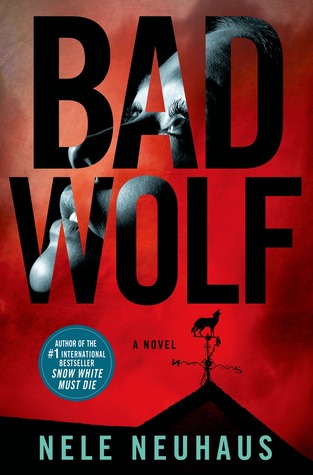
badwolf
Nele Neuhaus returns with Bad Wolf, the second in her series that started with last year’s Snow White Must Die. Set in Frankfurt and featuring Inspectors Pia Kirchhoff and Oliver von Bodonestein heading their team, the usual police procedural takes on a darker tone despite the nod to Grimm’s fairy tales in Neuhaus’ titles.

It’s hot in Frankfurt in June when a sixteen-year-old girl’s body turns up on a river bank outside of town. Despite the brutality of her injuries, her identity remains unknown and no one turns in a missing person report. Pia’s team is frustrated for weeks and then a new case takes precedence. A television reporter who’s become a known personality is attacked, raped, and locked in the trunk of her car, barely surviving.

Pia suspects the reporter’s investigations into a popular child welfare organization, run by an old, established family with an untarnished reputation, may provide the key to the woman’s attack.

Then a link is drawn with a child pornography ring, and overruns into both inspectors’ personal lives. This chilling tale has a huge emotional component as the different subplots connect. Well-crafted and engrossing, it’s an unpredictable and multi-dimensional book that will hook readers from the start.

Neuhaus started out selling her self-published books out of the trunk of her car before becoming Germany’s top crime writer. Don’t miss this powerful psychological thriller based on a police procedural.

weightblood2

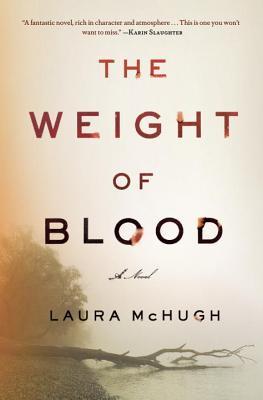
Laura McHugh’s debut The Weight of Blood is a totally different kind of crime novel, yet every bit as disturbing. Told from the viewpoints of Lucy Dane and Lila, her mother who disappeared when Lucy was a child, the action revolves around the the murder of one of Lucy’s friends, the slow-witted Cheri.

The setting this time is the tiny village of Henbane, deep in the Ozark Mountains. Filled with strange ways and customs, and a fear of strangers, it’s an area the modern world has almost passed by. McHugh manages to make the landscape come alive, and the story is inspired by a true incident that took place in the Missouri town where the author went to school.

Small wonder then that its authenticity rings so true. Readers will be drawn in immediately by the voice of Lucy and then by that of her mother, Lila, a young woman whose destiny is not hers to decide. Lucy is haunted by the mystery surrounding Lila’s disappearance and by the murder of young Cheri. Here is McHugh in Lucy’s voice describing her emotions when Cheri’s body is found: “…Boys our age, the ones at school, were cruel. They called her a retard and make her cry. I told her to ignore them, but I never told them to stop, and that’s what I remembered when Cheri’s body turned up in the tree: the ways I had failed her.”

That sense of failure will drive Lucy to investigate Cheri’s death, while not forgetting her mother, and the result will call into question everything Lucy thinks she has come to learn about family and secrets.

This is beautifully written novel that will suck you in from its opening as the story gains momentum to its powerful conclusion. No spoilers here: read it yourself and you’ll find you’re flipping pages well past bedtime.

ALSO RECOMMENDED: Cover of Snow by Jenny Milchman. This debut follows young widow Nora Hamilton, trying to make sense of the suicide of her police officer husband, a man who loved her, his job, and their Adirondack town–and died without leaving her a note of explanation? A taut and believable mystery.

Hard Going: Cynthia Harrod-Eagles newest Bill Slider crime novel brings back his family and partner in a complex mystery that interrupts his vacation week. A retired solicitor, known for his good deeds, has been bashed in the head with a statue in a frenzied attack that will have them searching into the man’s past for the culprit. Highly satisfying.

Hunting Shadows: Inspector Rutledge returns in Charles Todd’s sixteenth book in the post WWI series. The countryside of Cambridgeshire finds Rutledge to town to locate the murderer of a man at the doorstep to Ely Cathedral, on his way to a wedding. After a second murder, one witness’s description leaves the locals convinced a madman is on their doorstep. Great period details and a intricate plotting are the hallmark of this series.

AND NEW IN PAPERBACK: Jane Casey’s The Last Girl, the third DC Maeve Kerrigan novel. Compared to Tana French or Denis Mina, Casey’s series twists and turns through the investigation of the murder of a wealthy defense attorney. But was this a disgruntled client, or does the truth lie closer to home?

« Previous PageNext Page »