Kate Rhodes: Blood Symmetry Wednesday, Aug 10 2016 

bloodsymmetry

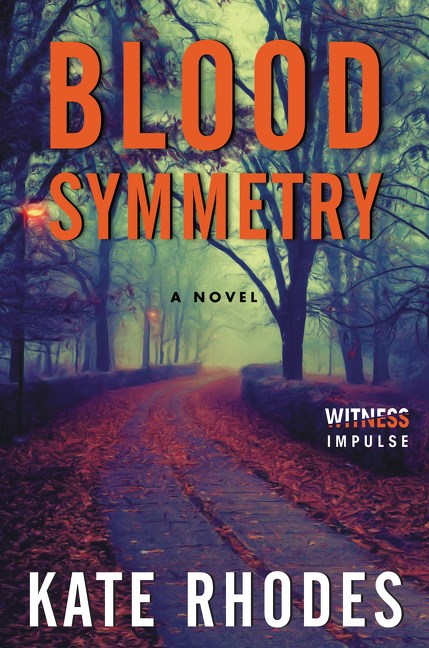
Kate Rhodes’ Alice Quentin series is one of Auntie M’s favorites, well-crafted books with realistic characters. She gobbles them up and then has to wait for the next exciting installment. Blood Symmetry follows her pattern of constructing a complex plot, mixed with compelling characters, thrown into a multi-layered tale that will have readers flipping pages long after the light should be turned out–and then impatiently waiting for the next one.

Alice is a plucky forensic psychologist you must adore if you’ve read any of the others, and now that her relationship with DCI Burns has solidified to a more personal connection, you’ll like her even more as she navigates the kind of union she never expected she’d be having on more than a superficial level. Readers will be privy to more of Burns, too, a nice addition as he tries to understand Alice, even as he knows she’s the one person who can help him on his current case. Her brief will be to when profiling what is determined to be a pair of criminals, and help unlock the memories of its prime witness.

Hematologist Clare Riordan and her son Mikey are out for a run on Clapham Common when they are abducted by a couple. Mikey manages to escape, but is so traumatized he’s mostly mute and barely readable. While Alice tries to profile the abductors, she also spends time at Mikey’s safe house to uncover his memories.

Alice’s perceptiveness to Mikey and the clues he give us allow us to feel for this child, who hopes desperately to be reunited with his mother even as he fears she’s dead. As bags of Claire’s blood turn up at different sites, it soon becomes apparent her demise may not be that far off. Besides being drained slowly of her blood, hers is being tainted with drugs that will kill her.

Rhodes’ meticulous research stands her in good stead, and her author’s note at the end of the book explains her personal connection to tell this story. Interspersed with Alice and Burns’ chapters are shorter ones of those of the abductors, bizarre and filled with urgency, adding to the tension. Will Claire be found before she’s killed? What is the significance of the sites where her blood is being left? And then a second hematologist is found dead, and all bets are off as Alice and Burns step up their pace to find who is behind this–and why.

Another sparkling entry in the Alice Quentin series. And yes, Auntie M is already pining for the next. Highly recommended.

Maggie McConnon: Wedding Bel Blues Sunday, Aug 7 2016 

WeddingBel\
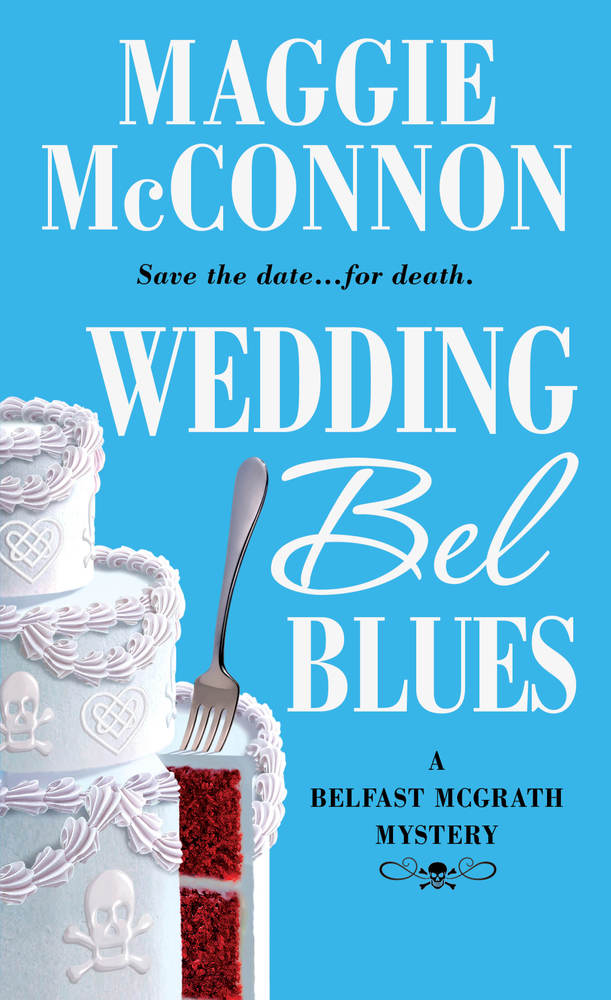
Belfast McGrath is getting over a rough time, personally and professionally. What’s a fired chef to do but head home to her Irish-American family in Foster’s Landing. Their large manor house is a professional events location, famed for weddings, and before Bel knows it, she’s the maid of honor at her cousin Caleigh’s wedding.

The fact that she’s getting over her own broken engagement notwithstanding, things are far more complicated when Bel learns that Caleigh had a one-night stand two nights before her ceremony. And they zoom out of proportion when said lover falls from a balcony during the reception, landing right in front of Bel.

Great. Now she’s not only a witness to what she consider a murder, the lead detective turns out to be her old high school sweetheart, Kevin Hanson.

Bel knows her own past mistakes still haunt her, and to add to the complications, her parents start acting strange and she’s asked to take on their catering kitchen when the head chef quits in a snit. Not what a one-star Michelin chef had in mind. But family means helping out, and while she’s whipping their kitchen into shape, Bel tries to figure out what all the secrets are that everyone’s keeping–and what that has to do with a killer who suddenly sets his sights on Bel.

This is a delightful romp, filled with humor and hints of romance, the first in a series featuring Bel and her extended family. Auntie M is a huge fan of the Maeve Conlon suspense novels Maggies writes as Maggie Barbieri. This series will be a bit lighter and hits more on the cozy side of things, perfect for summer reading. McConnon’s own Irish family and their stories inform her knowledge, but the humor is all her own.

Wendy Walker: All is Not Forgotten Monday, Aug 1 2016 

all-is-not-forgotten

In All Is Not Forgotten, Wendy Walker examines the implications of the use of a drug being developed which would be used to treat soldiers with PTSD which wipes out their memories of the incidents that haunt them. She skillfully blends fact with fiction in creating its use in this story filled with intrigue.

When teen Jenny is raped in the woods near her Connecticut home, her mother consents to her being given the controversial drug to erase the memory of the horrific assault she’s suffered.

But wiping out the memory also disturbs the police investigation into any relevant information Jenny could have given them regarding her attacker. As she heals from the wounds left behind, Jenny struggles with flashes of emotional memory of feelings that have no facts attached to them.

Her parents are at odds, with her father crazed that he cannot bring her attacked to justice. Her mother pretends the event didn’t really affect the tony country club circle they live in. With their entire family relationships torn apart by the attack, it will be Jenny’s psychiatrist who sets in the motion the revelations that will shock the family, the community, and Jenny, as the truth worms its way to the surface.

Walker uses a deft hand as she examines our place in society, the importance of memory, and how manipulation can be used in devastating and cleansing ways. Readers will be surprised and shocked at the ending. Reese Witherspoon’s production company has purchased the film rights, and Auntie M can see this on the big screen, suspenseful and taut with emotion, highly visual and emotionally charged. A winner.

Diane Madsen: Cracking the Code of the Canon: How Sherlock Holmes Made His Decisions Sunday, Jul 31 2016 

Please welcome Diane Gilbert Madsen, with a tale of the past mixing with the future of her new book:

Cracking the Code of the Canon FC lg
A PRESENT FROM THE PAST

“The past is never where you think you left it.”
― Katherine Anne Porter

Family and the past always matter. This maxim came true for me when my newest book, CRACKING THE CODE OF THE CANON: HOW SHERLOCK HOLMES MADE HIS DECISIONS, was published by MX Publishers in London earlier this June.

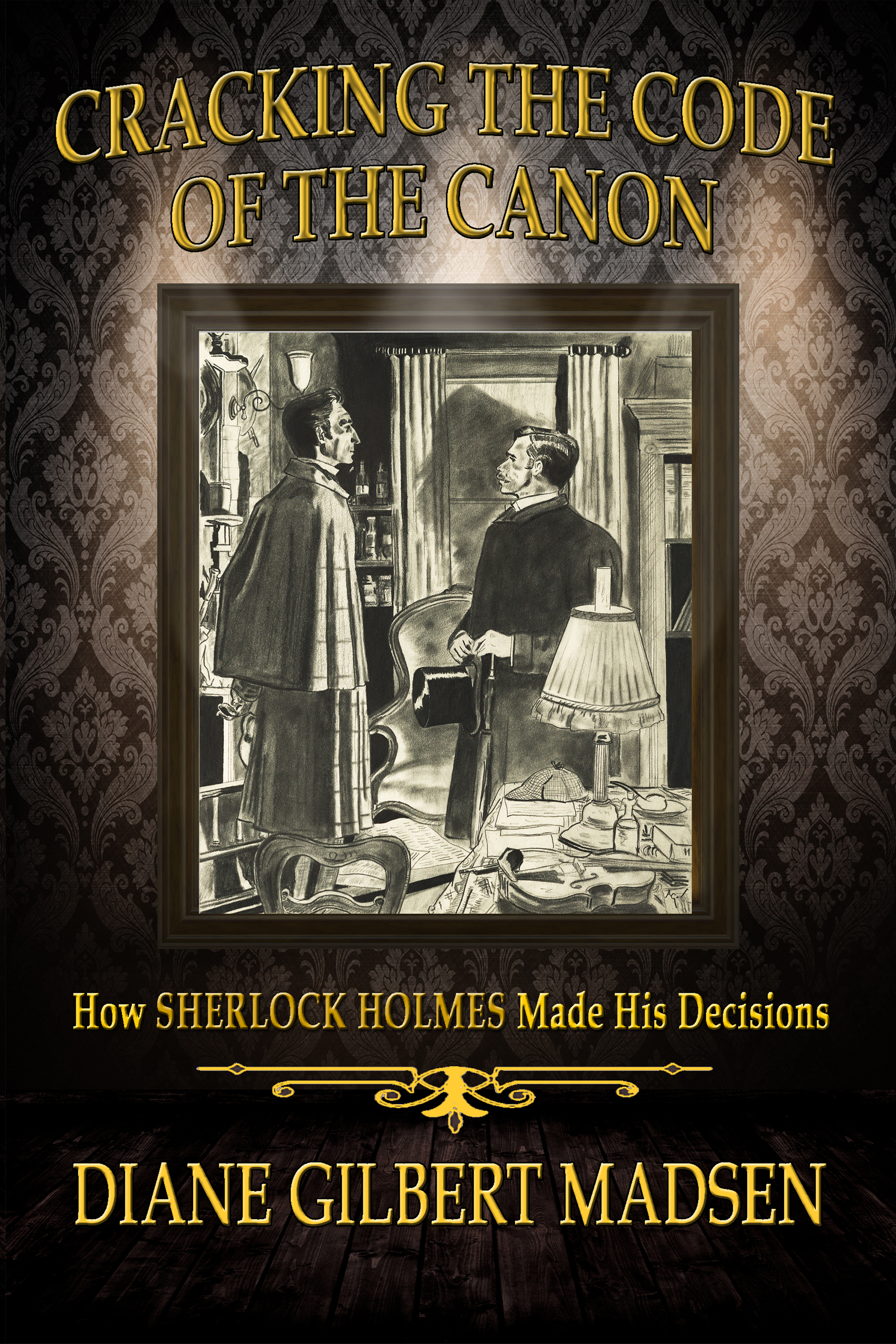
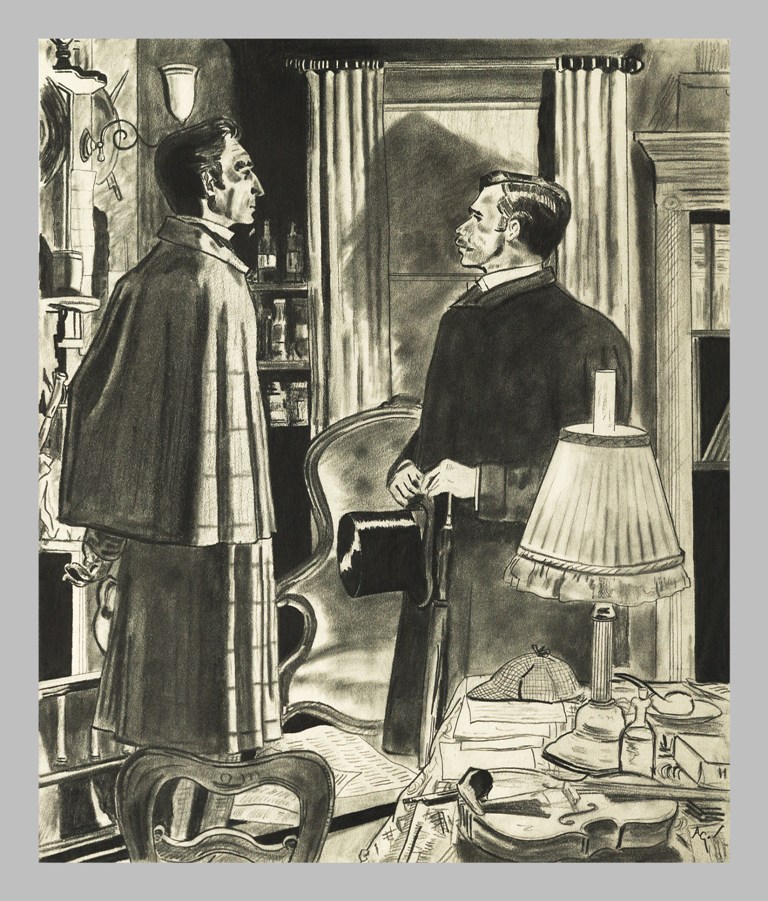
I’ve been a fan of Sherlock Holmes since I was a young girl. I read all the stories and loved trying to solve the mysteries before Holmes revealed the clues. I loved the puzzles, the ciphers, the fingerprints, footprints, bloodhounds and typewriter forensics. All my friends in school knew of my passion and watched as I did experiments in Chemistry class and for the Science Fair. My older brother, Albert Earl Gilbert, was also a true Sherlock Holmes fan, and when he was in high school, he did a freehand pencil sketch of Holmes and Watson in their digs at 221B Baker Street.

Albert moved to New York, and the wonderful sketch got lost in the mists of time. He went on numerous expeditions and became a world-renowned wildlife artist (www.albertearlgilbert.com). He dedicated his art to conservation and preservation with hopes that it will have a direct effect on the survival of the world’s wildlife. He served on the President’s Council on the Arts and as President of the Society of Animal Artists for many years. His paintings are in collections of the American Museum of Natural History; Field Museum of Chicago; the Carnegie Museum; Princeton University; the National Audubon Society; and the National Wildlife Federation. The Philadelphia Academy of Natural Sciences purchased for their permanent collection all his original paintings from the award-winning book, “Trogons,” which won the International Book award for Best Book Design in the World in 2010. His book credits include “Reader’s Digest Book of North American Birds;” “Handbook of the Birds of the World;” “The Audubon Master Guide to Birding;” “Toucans, Barbets and Honeyguides;” “Curassows and Related Birds;” “Modern Wildlife Artists;” and “Masterpieces of Bird Art.”

While he was getting famous, I went on to write mystery stories – the DD McGil Literati Mystery Series, including A Cadger’s Curse; Hunting for Hemingway, and The Conan Doyle Notes: The Secret of Jack the Ripper. A few years ago both my brother and I had books coming out, and we held a joint launch party in Florida for both our books.
Al & Diane Gilbert Madsen - Book signings Nov. 2009 009

While I was doing research for the CONAN DOYLE NOTES, I was struck by how the outcomes of all the Sherlock Holmes stories varied. Some perpetrators were severely punished, while others – even murderers – were excused by Holmes and never faced the law or punishment. Some even escaped. So I decided to write a book on my findings and musings, and that is how CRACKING THE CODE OF THE CANON: HOW SHERLOCK HOLMES MADE HIS DECISIONS came about.

During my research, coincidentally (see, it can happen!) one of my brother’s colleagues from high school, Bob Bernardi, got in touch with me via e-mail. He now lives in California and told me he had saved my brother’s sketch of Holmes and Watson. He’d saved it from being thrown away, and he’s enjoyed it to this day. He asked if I’d like to have a copy.

sherlock holmes, 12/20/10, 4:58 PM,  8C, 3154x3743 (2862+4230), 150%, Custom,  1/50 s, R103.4, G76.5, B95.4

sherlock holmes, 12/20/10, 4:58 PM, 8C, 3154×3743 (2862+4230), 150%, Custom, 1/50 s, R103.4, G76.5, B95.4

Of course I jumped at the opportunity, and he sent it, not knowing that I was working on this new book. My brother and I toasted it and Bob after all these years. So imagine how pleased and excited I was when my publisher, Steve Emecz of MX Publishing, agreed to use that very same sketch my brother drew back in high school of Holmes and Watson in 221B where “It’s always 1895” on the jacket of my new book, Cracking the Code. It really makes this book a family achievement.

Purchase Cracking The Code from MX Publishers or Strandmag.com or B & N or Amazon
https://www.strandmag.com/product-category/books/private-eyes/sherlock-holmes/

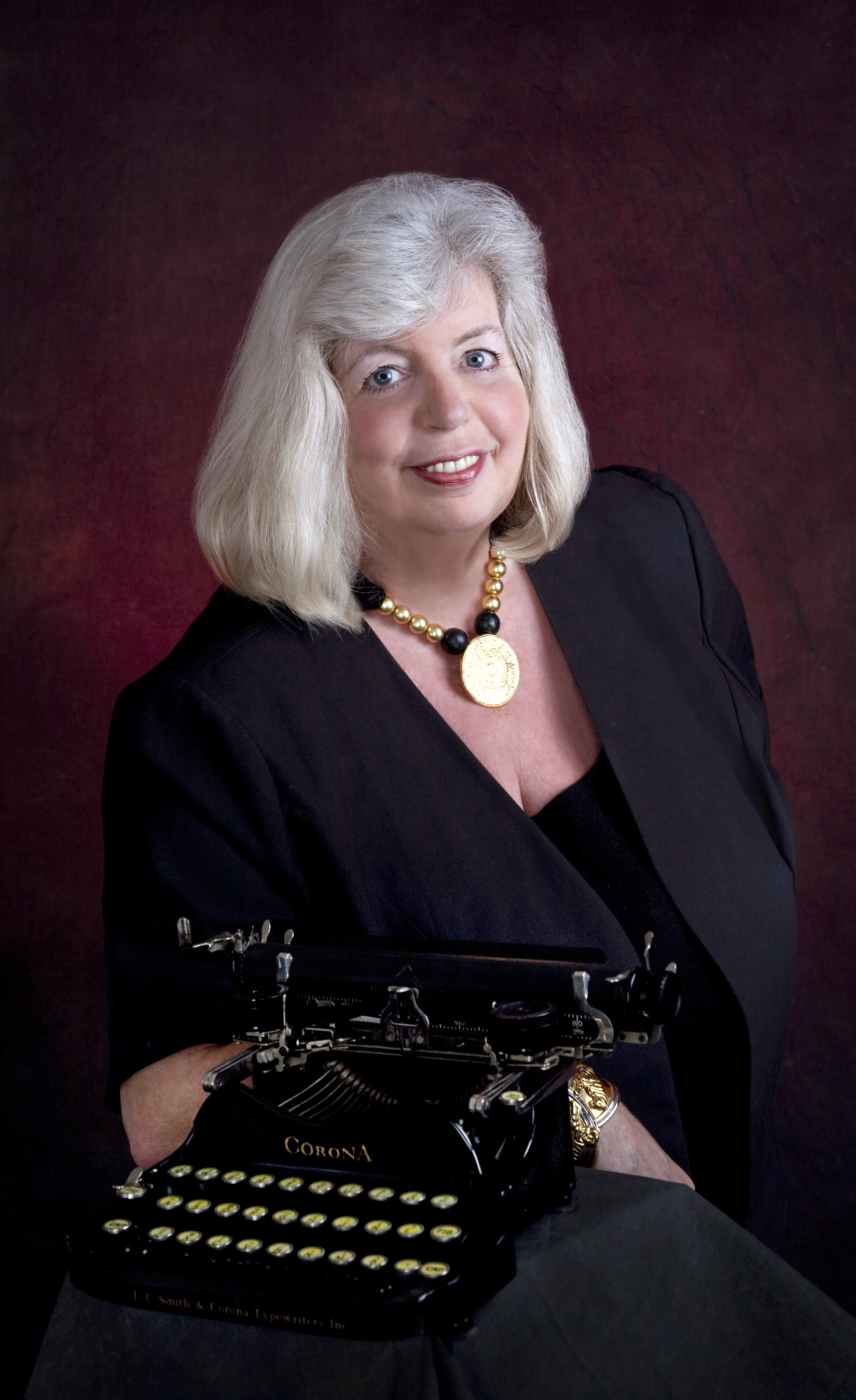
1 DGM w Corona #3

Diane Gilbert Madsen
http://www.dianegilbertmadsen.com
Twitter – @DianeMadsen
Facebook – https://www.facebook.com/diane.g.madsen
Facebook – https://www.facebook.com/dianegilbertmadsen

Dawn Eastman: An Unhappy Medium Wednesday, Jul 27 2016 

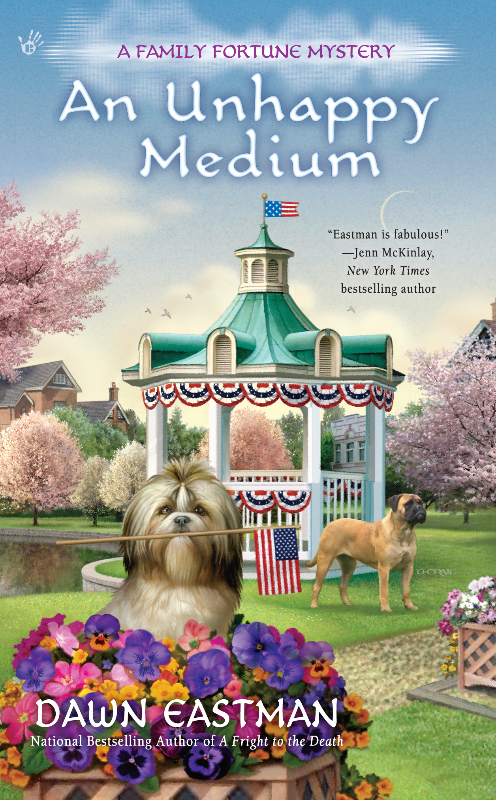
Please welcome Dawn Eastman, whose book, An Unhappy Medium, covers a most unusual topic!

FinalUnHappyMedium
Thank you, Auntie M, for asking me to visit!

My Family Fortune cozy mystery series takes place in a small western Michigan town with an unusual tourist draw. The town is filled with psychics. Instead of boating, dune rides, and beaches, the main business is tarot reading, fortune telling, and séances. Since my ex-cop protagonist, Clytemnestra (Clyde) Fortune, has moved back to town, there have also been quite a few murders.

A couple of Clyde’s relatives are pet psychics. Her aunt has multiple clients and works with them to solve behavior issues or to locate a lost pet. Clyde’s nephew has a more untrained gift and seems to be able to read the thoughts of animals.

These two characters are give me so much pleasure to write. I have always loved animals and have had many pets in my life. It has always been fascinating to watch how these animals learn to communicate with their human caregivers. While I cannot read the thoughts of animals, I have developed relationships with some of the animals in my life that make it seem as if I can.

When I was growing up, my family owned a very smart standard poodle. I’m pretty sure he was training us most of the time. He seemed to have a vast vocabulary of English words and would often act as if he understood exactly what people were saying, even if the conversation didn’t involve him or his food. My brother and I taught that dog how to play “hide and seek.” The dog won every time. Of course, he found us within minutes when it was his turn to seek. But, if he was the one hiding, he could stay absolutely silent in his hiding place, even if he was in a dark closet, or we called him with the promise of treats.

Later, I owned a Wheaten terrier who was very sweet but not quite as smart. However, he took his duties as babysitter very seriously. Archie had just managed to get my son through toddlerhood when my daughter was born. He felt his main job was to alert me every time the new baby cried. It was as if he thought I couldn’t hear her myself, or he had a low opinion of my parenting skills. Every time she made a peep, he came running to me with a worried look and wouldn’t leave me alone until I had picked her up to quiet her.

My current dog is a very bossy bichon-shih tzu mix. He really has no trouble communicating that he has needs (demands), but not everyone knows exactly what he wants. He has been trying to train us for years. His main form of reward when we finally do what he wants is to find a squeaky toy and squeak it long and loud. I have not been able to convince him that we are not fans of his loud “thank yous.” But every time he gets fed, or gets let outside, or someone comes home, we are “rewarded” with several minutes of squeaking.

I hope you’ll find time to visit my fictional psychic town of Crystal Haven, Michigan. They’re expecting you and pets are welcome.

headshot-2
Dawn Eastman lived in Michigan for many years, in a house full of animals, unusual people, and laughter. She now lives in Iowa with her family and one extremely bossy small dog. She is the national bestselling author of The Family Fortune Mystery Series, which features psychics, animal communication, quirky characters and murders.
http://www.DawnEastman.com

Sam Wiebe: Invisible Dead Sunday, Jul 24 2016 

Please welcome Canadian author Sam Weibe, to talk about what he’s learned about the publishing world:
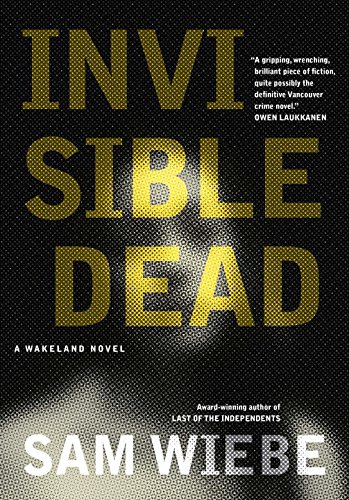
61sqjkYw8jL

The more you do something, the better you’re supposed to get, but I’m not sure that applies to writing. In some ways, each book is its own thing. Since my second novel, Invisible Dead, has just been published, I’ve been thinking about what I learned from my first novel, Last of the Independents, what lessons I can take away.

When I wrote Independents, I didn’t know anything about the market–and still don’t, really. A lot of people claim to know what works, what sells, what’s hot. This is guesswork presented as fact–if it weren’t, there’d be no discount bins in bookstores.

People will also tell you horror stories of working with publishers, having their novels’ setting changed from Toronto to Detroit, their endings changed, the soul of their fiction bled away by callous editors and money-hungry publishers. This hasn’t been my experience at all–maybe I’ve just been fortunate.

Last of the Independents won a Crime Writers of Canada manuscript award, and was published by Dundurn Press. By the time it came out, I had finished the manuscript of my second novel, and was ready to send it out.

When I first started submitting Invisible Dead to agents, I had interest, but often the agent didn’t ‘get’ the book, or wanted to make it something else. One agent actually told me she liked the story, but that it was “too much like a detective novel.”

Well.

Thankfully, Chris Bucci at the McDermid Agency got the book. He knew the market and had smart suggestions, but he never asked me to change the substance. It remained set in Vancouver, rather than being moved to Seattle or Los Angeles, and the characters and story remained intact.

When Chris submitted Invisible Dead, we had a few offers, one of which was quite generous. But Chris knew that Craig Pyette at Random House would be the ideal editor. There were a tense few days of waiting to see if a deal would be made, but happily it worked out. Happier still, Craig also got the book.

What do I mean by ‘got the book’–that they loved it unconditionally? Hardly. The book went through a rigorous editorial process. What it meant was that the changes Chris and Craig asked for made the book better.

To me, that’s the key–any change that might improve the novel is worth considering.

With Invisible Dead, I wrote the book I wanted to read–a book about Vancouver. I wanted to use the private eye novel as a vehicle to examine systems of power and violence, and to look at who counts and why. Vancouver is really no different than Seattle, Minneapolis, Juarez; it has its problems with land and money and sex and violence, but these are ultimately universal concerns.

The publishing process for Invisible Dead has been an exercise in faith. I have no idea about the relative success of the book, except that the form it’s being released in is what I envisioned. This is the book I wanted to write. Every writer should be so lucky as to have that experience at least once.

AuthorPhoto3
Sam Wiebe is the author of the crime novel Last of the Independents, which won the Kobo Emerging Writer Prize and an Arthur Ellis award. His second novel, Invisible Dead, was published this June. His short stories have appeared in Thuglit, Spinetingler, and SubTerrain, among others. Visit Sam: http://www.samwiebe.com

https://www.chapters.indigo.ca/en-ca/books/invisible-dead-a-wakeland-novel/9780345816276-item.html?ikwid=sam+wiebe&ikwsec=Home&ikwidx=0

Meg Wolfe: The Charlotte Anthony Mysteries Wednesday, Jul 20 2016 

Please welcome author Meg Wolfe, who will talk about her Charlotte Anthony Mysteries: (more…)

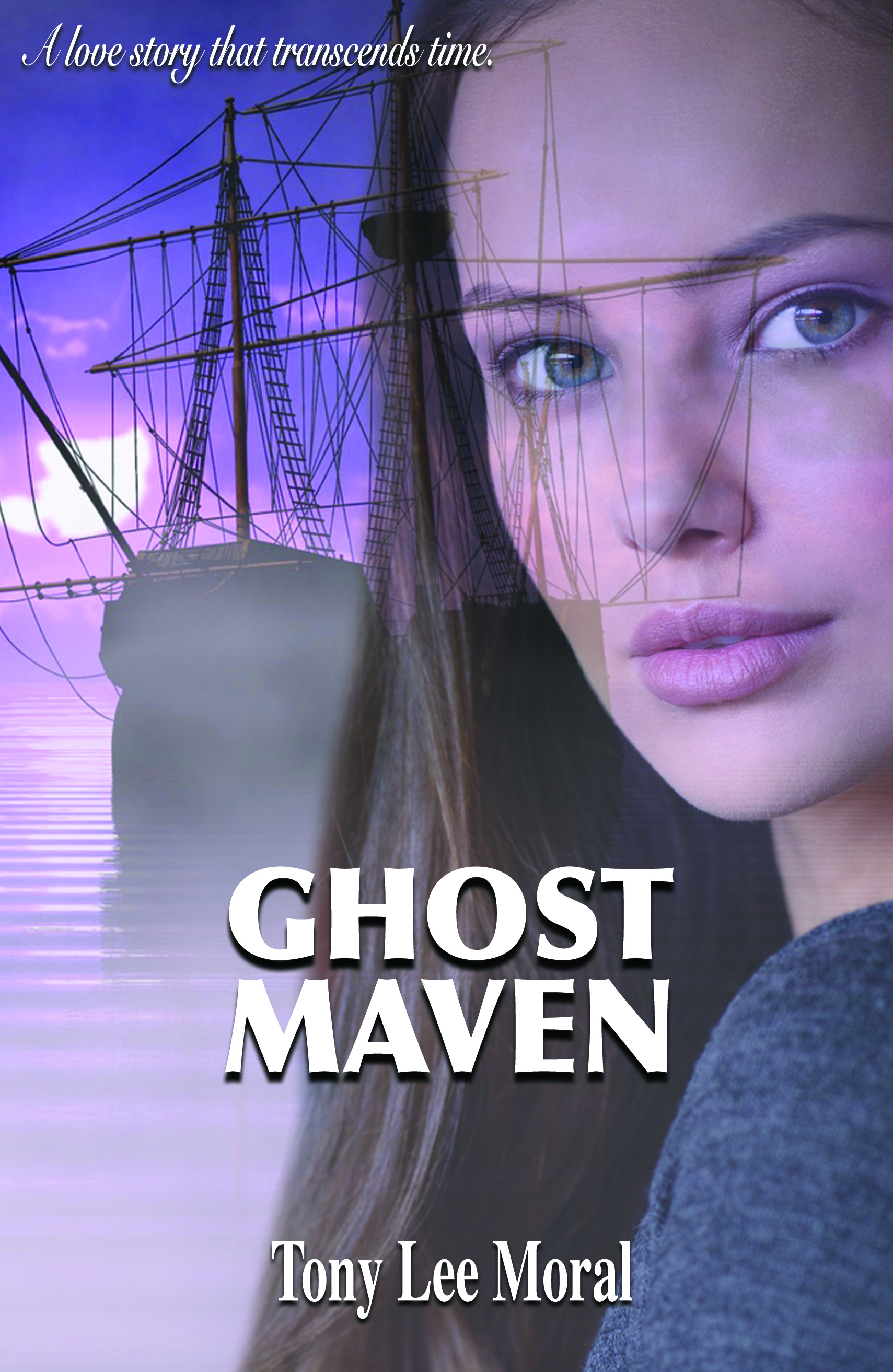
Tony Lee Moral: Ghost Maven Sunday, Jul 17 2016 

Please welcome Tony Lee Moral, who will talk about writing YA novels, his in particular! And the difference between mystery and suspense:

book front

Writing Young Adult: Ghost Maven by Tony Lee Moral

In my Young Adult novel Ghost Maven, I dive straight into the action with a kayaking trip in jeopardy in Monterey Bay, California, which quickly puts the central character in peril. Teen readers are impatient, and like to get to the story quickly, rather than having to wade through pages of backstory or exposition. So I start with Alice, the heroine who tells the story in the first person, in great danger, and facing her worst nightmare – open water and the fear of drowning.

Having lived in Monterey and Pacific Grove for two years, where the novel is set, this story about teens is incredibly personal to me. I walked the coastal paths Alice walked, taking in the blues and greens of Monterey Bay. I kayaked over the underwater kelp forests, marvelled at the diaphanous moon jellies in the Aquarium, and smelt the salty sea breeze during many long strolls along Carmel’s sandy beach. It’s a magical place to live, and one where I feel very at home with nature.

I start the novel with a quick succession of chapters, using famous landmarks around Monterey Bay, such as the Aquarium, Point Pinos Lighthouse, Point Lobos forest, Big Sur and Cannery Row. These are places rich in history and literature, from John Steinbeck to Jack Kerouac, as well as shrouded in mystery. Some are even linked to the supernatural. Point Pinos Lighthouse, for example, is said to be haunted, a plot device I use during the thrilling denouement of the novel.

Having written three books on Alfred Hitchcock, I specialise in mystery and suspense. Many readers become confused by the two terms. They are actually two very different processes. Mystery is an intellectual process like a riddle or a whodunit. The mystery of Henry, who saves Alice from drowning, is: who is he really? Is he a ghost? Where does he come from? What secrets does the island hold which he inhabits? What happened to Heather, the high school prom queen? These are all mysteries that run through the book.

We also know that Alice has suffered a terrible trauma in recent months, as her Mom died of a long illness, so is what she is seeing real? I wanted to create an atmosphere of uncertainty and delusion, which is why I wrote the scenes early on when Alice isn’t really sure if she’s seeing Henry or not. Is he a figment of her imagination? So the first half of the novel is devoted to who Henry is and why he holds such a spell over Alice.

Suspense is an emotional process in the reader, rather like a rollercoaster ride, or a trip to the haunted fun house. As Alfred Hitchcock once said, “In all suspense you have to give the reader information, so that they have something to be anxious about.” The suspense in Ghost Maven is: what will happen when Alice finds out who Henry really is? How will she react? What will she do? What will happen when the other sailors come looking for her? This suspense drives the narrative core of the book and invites readers to keep turning pages.

When writing Young Adult fiction, I think it’s very important to channel your inner teen. Ghost Maven revolves around the many first experiences of being a teenager such as: going on a first date, first love, and first prom date. Falling in love and losing a parent are intense feelings for a teenager, both of which Alice goes through, and which I can relate to. Teenagers don’t tend to think of their own mortality, as they have their whole lives stretching ahead of them. It’s only after Alice loses her Mom that she starts to think about the possibility of an afterlife and then Henry appears.

Writing authentic teen dialogue is important, especially if you want young readers to connect with your story. As a zoologist and psychologist by training, I find it fascinating to observe people and listen to the way they speak. When I’m in a queue at the movies for example, I enjoy listening to others talk about the film they have seen or are about to see, and I have three teenage nephews who banter and are fun to listen to. Capturing the intensity and feelings of being a teenager is vital, where everything seems so exaggerated. But I was wary of using slang, since it quickly dates your work.

Another challenge I had was that Henry and Alice are literally from two other worlds, so Henry’s style of speech was more formal and romantic; the flip side to Alice’s modern style. Anything that doesn’t advance the plot or characters should probably be cut. In early drafts I had scenes of Alice shopping in the outdoor markets of Monterey for California artichokes (which I love), but these scenes were the first to go. My advice when writing for teens is more immediate scenes and less narrative summary.

184007_10150340255341043_4686394_n

Tony Lee Moral will be signing copies of his Young Adult novel Ghost Maven at Old Capitol Books, 559 Tyler Street, Monterey, California on Saturday 3rd September at 2pm.

Copies of the book are available in October through Saturn’s Moon Press and check out the new website at www.ghostmaven.com

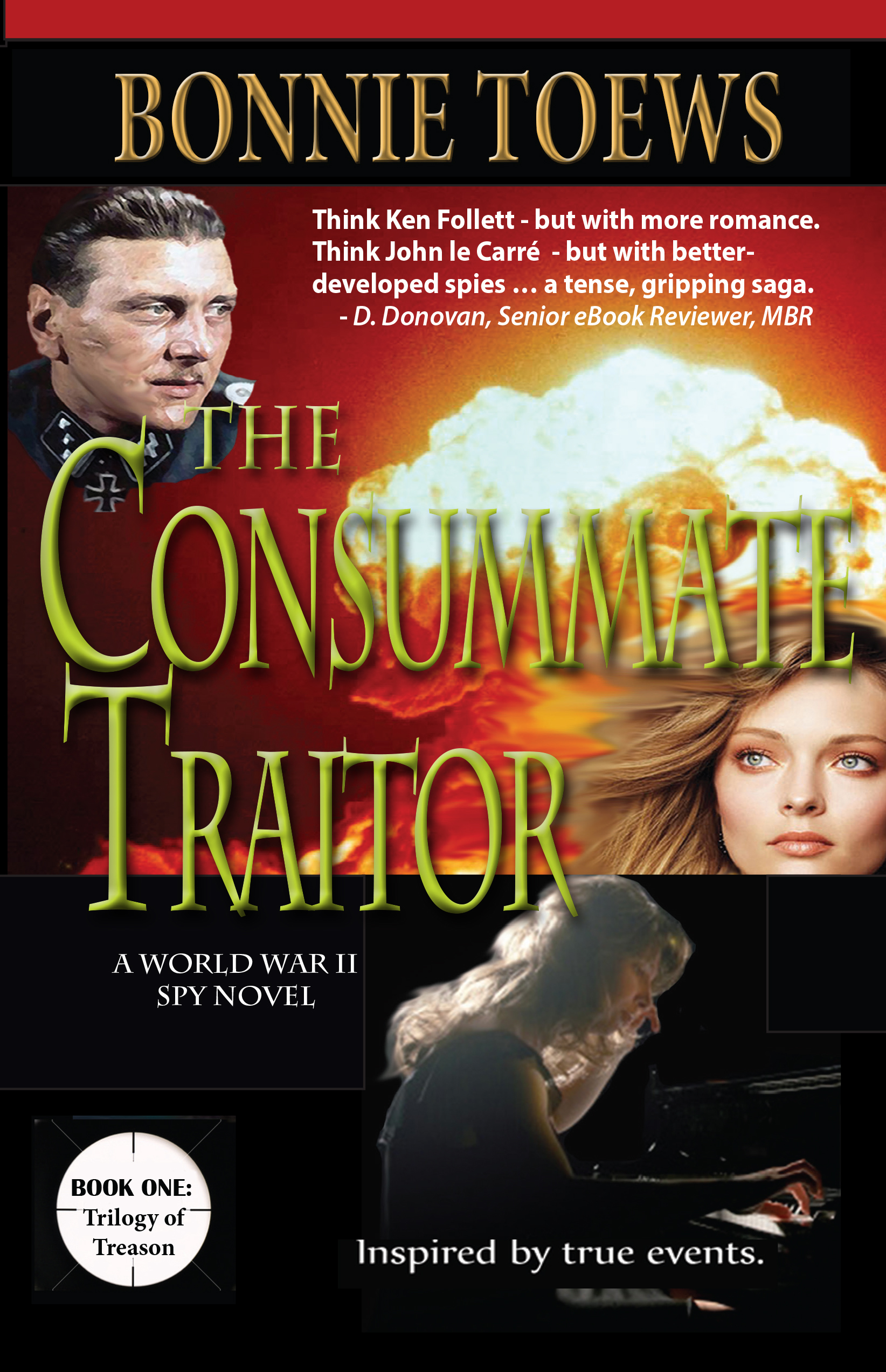
Bonnie Toews: The Consummate Traitor Sunday, Jul 10 2016 

Welcome Bonnie Toews, a retired journalist and veteran’s advocate, who will describe the impetus for her upcoming trilogy and its first installment, The Consummate Traitor.

Copnsummate cover

THE MYSTERY OF STORY TELLING

Do you ever wonder how novelists come up with the stories they write?

Sometimes a plot pops to mind and writers develop characters to make the plot work.

Most of the time, however, writers will tell you that a character just bounds to life in their imaginations, and often that character comes with a name he or she refuses to relinquish. In getting to know this imaginary person, writers explore his or her upbringing – experiences, interests, beliefs, dreams and biggest fears. Within the life of the character a plot evolves around the people he or she has met and the reason for the choices made within these relationships.

No story can sustain suspense unless the main characters face and overcome their deepest fears. Fear drives their motivation to act the way they do, and their actions, along with the consequences of their actions, set up the story line.

I enjoy intrigue and solving puzzles, so my first novel grew out my anger at what I considered the sheer stupidity of the death of a British woman agent in WWII. I found her in a biography of Winston Churchill’s master spy, INTREPID, and how he developed London’s civilian spy agency called SOE (Special Operations Executive) in 1940. SOE’s agents were dropped into Nazi-occupied countries to help train and support Resistance movements.

This agent’s code name was Trudi, and she was related to King George VI. What if she lived? What would her story be?

In imagining all the possibilities, a “mirror” character evolved – a sister-in-spirit. The result: THE CONSUMMATE TRAITOR featuring Lady Grace Radcliffe, a concert pianist and second cousin to England’s King George VI, and Lee Talbot, an American war correspondent. What happens to these two women reveals a secret England has never wanted exposed.

bonniesingleweb
AUTHOR BIO
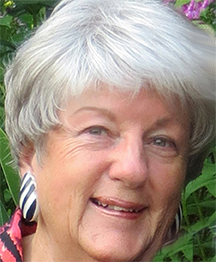
A retired journalist, Bonnie Toews is a veterans’ advocate, who uses fiction to bring attention to conditions she has found at the “crossroads of humanity.” In novels of wartime intrigue and suspense, she expands on true events to reveal the political betrayal of our military veterans.

The first novel in her “Trilogy of Treason” – THE CONSUMMATE TRAITOR – is available at amazon.com (http://www.amazon.com/Consummate-Traitor-Bonnie-Toews/dp/1461015383) and on her web site (https://www.amazon.com/Consummate-Traitor-Trilogy-Treason-Book-ebook/dp/B016C9E3IW?ie=UTF8&keywords=the%20consummate%20traitor&qid=1464884395&ref_=sr_1_1&sr=8-1)

Sally Carpenter: The Quirky Quiz Show Caper Friday, Jul 8 2016 

Please welcome guest Sally Carpenter, who will explain the genesis of television quiz shows that led to her new publication, The Quirky Quiz Show Caper:

quizshow-268x400

TV Quiz Show Capers
By Sally Carpenter

Television game shows: fact or fiction?

When big money quiz shows hit the American airwaves in the 1950s, their popularity grew so fast that nobody knew what to do with them. No laws existed that prohibited cheating on the programs.

Gerital, the sponsor of “Twenty One,” was unhappy with the show’s debut in 1956. The producers, Dan Enright and Jack Berry (also the host), were ordered to make changes.

From the producers’ point of view, rigging the show made dollars and sense. The public wouldn’t watch thirty minutes of contestants saying, “I don’t know,” so the producers had to make sure the players knew the answers.

If the public liked a particular contestant, the producers kept that person winning for as long as possible. Ties and rematches produced drama and suspense. After all, quiz shows were entertainment, not games of skill like the Olympics.

If you’ve seen the movie “Quiz Show,” you know how contestant Herb Stemple was ordered to deliberately lose on “Twenty One” to allow Charles Van Doran to win. In reality, other contestants beside Stemple complained to the FCC about their treatment on the show.

“Twenty One” contestant James Snodgrass had received the answers in advance and mailed them back to himself via registered mail as proof of cheating.

Other shows were also dishonest. On “Dotto,” contestant Ed Hilgemeyer found a notebook containing answers fed to his competitor, Marie Winn.

A young Patty Duke was coached to win on “The $64,0000 Challenge.”

During a grand jury investigation of “Twenty One” and other shows, more than a hundred persons were found guilty of perjury–but nobody was indicted for cheating.

Dan Enright and Jack Berry laid low for many years but reunited in 1976 to produce a new (and hopefully honest) string of successful game shows, including “The Joker’s Wild” and “Tic-Tac-Dough,” showing that bad guys still win in Hollywood.

Even with anti-cheating laws in effect, some game shows are still less than honorable. On Fox’s “Who Wants to Marry a Multi-Millionaire,” Darva Conger bested 49 other women for the hand of Rich Rockwell, who actually owned little more than a 1,200-square foot house with a broken outdoor toilet. Their marriage was annulled.

Also on Fox, Gabe Okoye and Brittany Moyti on “Million Dollar Money Drop” gave a correct answer that was declared wrong. When asked, “Which of these items was sold first in stores,” their response of “Post-it Notes” over “Sony Walkman” was ruled incorrect. After the mistake was spotted, the pair were allowed to return to the show but they lost anyway.

In 2010 Fox was producing “Our Little Genius,” in which child prodigies were asked difficult questions. When the parent of a contestant told the FCC that the producers had given the child some of the answers in advance, the show was pulled and never aired.

Apparently the Fox network is not as sly as it thinks.

In my new cozy, “The Quirky Quiz Show Caper,” former teen idol Sandy Fairfax is a panelist on a rigged game show. What does Sandy do when the producer demands that he “take a dive” on live TV? You’ll have to read the book to find out!

Carpenter-photo_WEB-gif
Sally Carpenter is native Hoosier now living in Moorpark, Calif.

She has a master’s degree in theater from Indiana State University. While in school her plays “Star Collector” and “Common Ground” were finalists in the American College Theater Festival One-Act Playwrighting Competition. “Common Ground” also earned a college creative writing award and “Star Collector” was produced in New York City.
Carpenter also has a master’s degree in theology and a black belt in tae kwon do.
She’s worked as an actress, college writing instructor, theater critic, jail chaplain, and tour guide/page for Paramount Pictures. She’s now employed at a community newspaper.

In her Sandy Fairfax Teen Idol series are: “The Baffled Beatlemaniac Caper” (2012 Eureka! Award finalist for best first mystery novel), “The Sinister Sitcom Caper,” “The Cunning Cruise Ship Caper” and “The Quirky Quiz Show Caper.”

She has short stories in two anthologies: “Dark Nights at the Deluxe Drive-in” in “Last Exit to Murder” and “Faster Than a Speeding Bullet” in “Plan B: Omnibus.”

She penned chapter three of “Chasing the Codex,” a group mystery written by 24 authors with Cozy Cat Press.
She blogs at http://sandyfairfaxauthor.com and ladiesofmystery.com.
She’s a member of Sisters in Crime/Los Angeles. Contact her at Facebook or scwriter@earthlink.net.

« Previous PageNext Page »