Kate Parker: Deadly Scandal Sunday, Mar 6 2016 

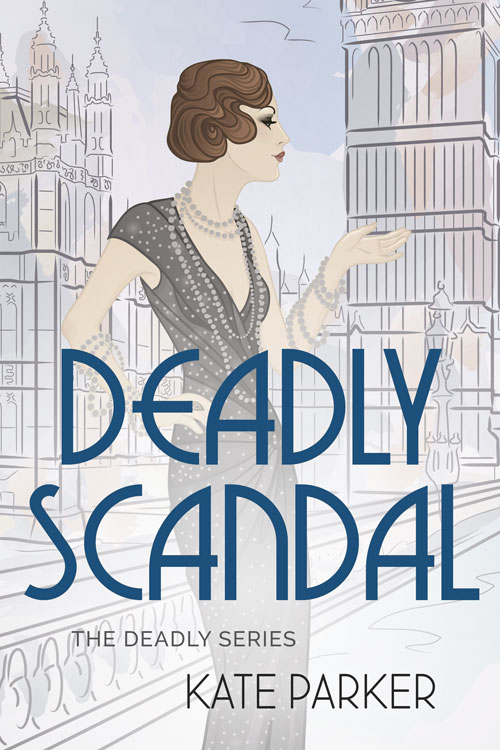
DeadlyScandal-500x750

Please welcome author Kate Parker and her new historical mystery, set in 1930’s London, Deadly Scandal. Kate will describe how she came to create her protagonist, Olivia Denis.

Murder and Fashion Sense

When I was a girl, there was a comic strip in the newspaper called Brenda Starr, star reporter. She was a tall, slender, leggy redhead who worked for a metropolitan daily and went after the hard news, the big stories. She got the exclusives. She never took no for an answer. She was tough and sexy and bright and lucky. I wanted to be her when I grew up.

In the spirit of truth in journalism, I have to admit the only resemblance was in my reddish hair. I might pass as a reporter; no one would ever mistake me for Brenda Starr.

I saved this icon from my childhood, and when it came time to write a mystery about an unprepared woman who lands a job on a metropolitan daily newspaper in 1930s London, I knew what she looked like. She’s a tall, slender, leggy redhead. She’s bright and sexy and lucky.

And that’s where I stopped the similarities.

I gave Olivia Denis a love and flair for fashion. I gave her a talent for sketching dresses, hats, and shoes as well as a fabulous wardrobe. And I gave her a love of shopping that she couldn’t indulge once she was widowed at twenty-five.

But since she had Brenda Starr’s luck, she has a good friend whose father published one of the biggest daily newspapers in London. And so she landed a job as a society reporter, where the publisher thought she couldn’t do much damage.

However, Olivia Denis doesn’t have Brenda Starr’s street savvy. When offered a much higher salary than she expected, along with a requirement to carry out certain unspecified clandestine assignments that she is not to mention – ever – she says yes. She knew no one else would pay her that much. She doesn’t ask about the nature of these assignments. She doesn’t stop and consider. She just thinks about the money and says yes.

So here you have Olivia Denis, young widow, who is going to hunt for her husband’s killer. She owes her livelihood to the father of a school friend who needs her to carry out clandestine assignments under the guise of society page reporting.

Olivia is young and pretty like Brenda Starr. And while she’s a novice, she has something else Brenda Starr had: Determination.

Find out how it all works out in Deadly Scandal by Kate Parker.

Learn more about Kate and her books at http://www.KateParkerbooks.com

Order now at Amazon: http://www.amazon.com/dp/B01AU0KC8E
B&N: http://www.barnesandnoble.com/w/deadly-scandal-kate-parker/1123286621
Apple: https:geo.itunes.apple.com/us/book/deadly-scandal/id1076628067?ls=1&mt=11

Medieval Mysteries and Magic Tuesday, Aug 11 2015 

Here are great books for those readers who enjoy theirs set in far away times with the hint of mysterious fairy tale adventures–enjoy!

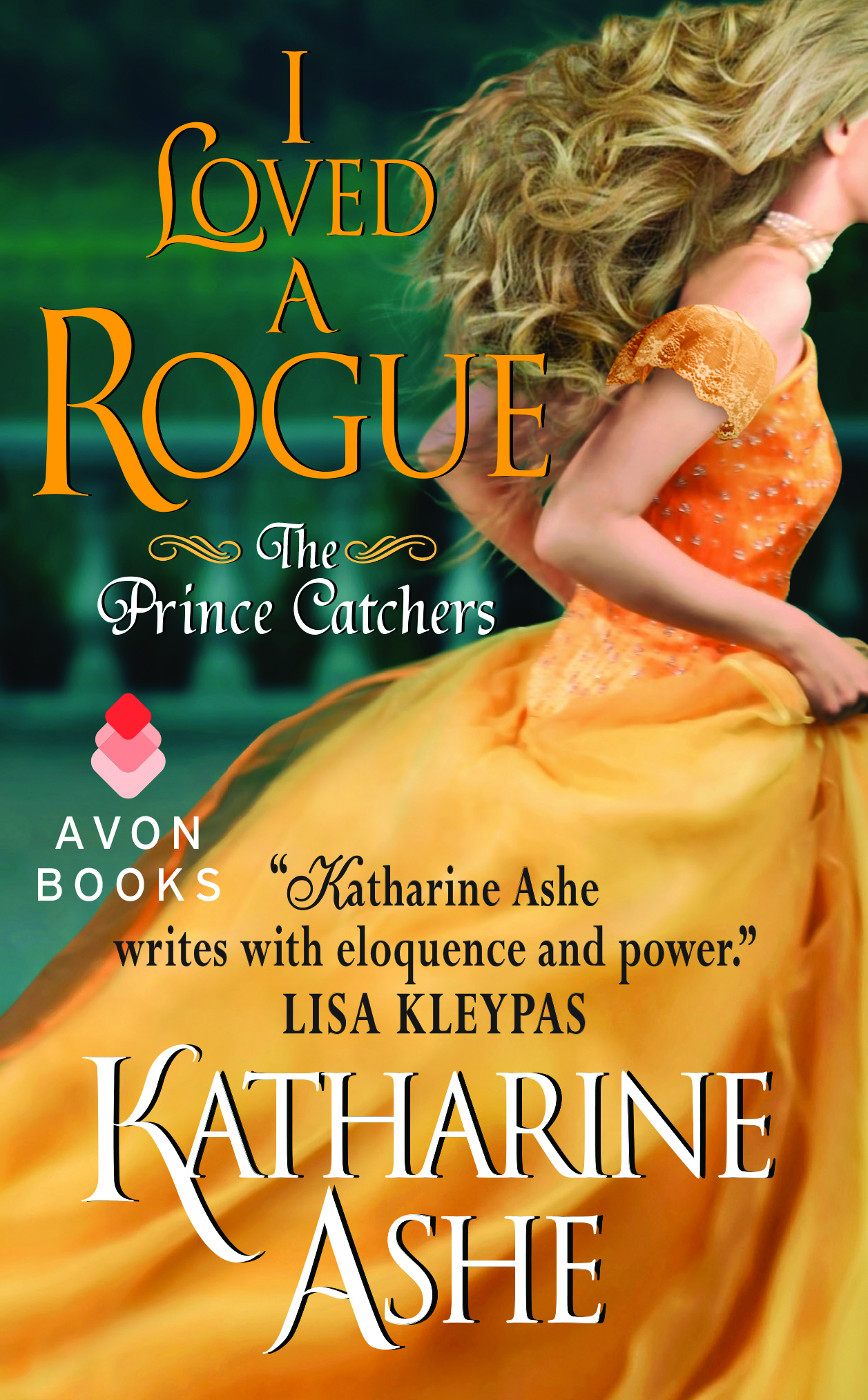
I-LOVED-A-ROGUE
Katherine Ashe’s third in her Prince Catchers series, I Loved a Rogue, has garnered enthusiastic reviews.

A soothsayer has foretold the future for one of three orphaned sisters: one will marry a prince. It’s the stuff of fairy tales for certain, as they await the mystery of their past to be revealed. Only the last sister can fulfill the prophecy, but it comes at a price: resisting the advances of a seductive rogue.

Eleanor Caulfield appears to be the perfect vicar’s daughter, yet she’s been in love with a gypsy, Taliesin, who broke her heart years ago. The only unmarried sister, Eleanor is fast approaching spinster hood. With the marriage of her father, she determines she must unravel the mystery of her parentage. Having almost died as a child, Eleanor’s sisters demand she have an experienced traveler be her guide.

With Taliesin appearing for her father’s wedding, the sisters suggest he accompany her, and Eleanor sets off with mixed feelings.
As they travel the countryside in search of clues to her parent’s identity, flashbacks show the duo’s history: the mixture of awe and devotion Taliesin feels for Eleanor; her fear and infatuation, under the impending doom of society’s disapproval.

Their challenging of each other is what strengthened Eleanor after her sickness and now galvanizes her on the quest for her parents. No spoiler alert here, but definitely an interesting ending to the series by a talented writer.

Auntie M had the pleasure of meeting Katherine Ashe at the Pamlico Writers Conference this year. She’s as charming as the heroines she writes about.
LampBlack
Paula Brackston’s novels of witches and spirits have a commanding following. She’s back with her fifth, Lamp Black, Wolf Grey
, set in Wales, and this time one of her characters is none other than Merlin himself.

Dual stories in different times both feature the legendary Merlin. Laura, a painter, has moved to the Welsh countryside with her husband to make a fresh start after years of infertility. They are looking to trade the noise and busy London lifestyle for the quiet, quaint wilds of the Welsh countryside, and choose an ancient home named Penlan.

Instead of solace and inspiration, Laura finds herself experiencing emotional longings and mysterious unexplained occurrences. Living in a centuries-old house in a remote area rich in lore and mystery, she feels echoes from the past. Her imagination runs wild with tales of Merlin the Magician having lived nearby in his pre Arthur days, and she tells herself it’s her imagination or else she’s losing her mind.

Interspersed throughout Laura and Dan’s story is that of Megan, a servant in the house of a wicked lord, and of her romance with the magician Merlin. This duality fleshes out the story in a nice mix that’s hallmark Brackston. Laura is a complex and likable heroine, with very relatable weaknesses. The mythical Merlin remains more enigmatic and mysterious. The historical parts are well done, yet readers will enjoy the the compelling contemporary plot line.

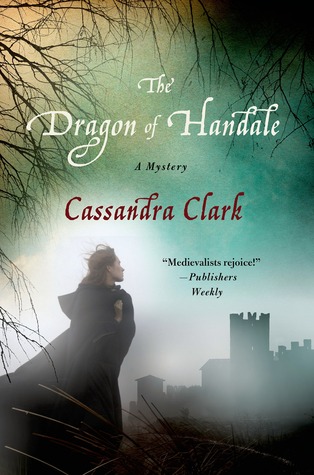
Dragon Handale
Cassandra Clark’s fifth Abbess of Hildegard mystery takes readers to 14th century England in The Dragon of Handale. Clark introduces the characters and their backgrounds so readers who have not read the previous novels can plunge right in.

Hildegard of York is a former nun, something of a sleuth, used to being in a position of authority, a woman who’s become ambivalent about whether she should re-enter a convent or continue on in secular life. Her former prioress suggests that she stay at the remote Handale Priory while she ponders her decision.

Yet once she’s settled at Handale, Hildegard begins to wonder if there was a hidden agenda involved in sending her there. Handale is a place for penitents – but in practice, it appears more a kind of prison for sinning nuns. Life there is harsh and unforgiving.

Everywhere she looks, Hildegard’s sharp and inquiring mind sees suspicious activity. There’s a strange rumor of a vicious ‘dragon’ outside the priory walls. Then a mason, one of a group hired to do work for the abbey, is brutally murdered. The woman in charge seems deliberately cruel. Young novices are desperate to escape. And what is a wealthy merchant doing within the walls?

Hildegard realizes that these strange incidents make it her job to get to the bottom of what’s really going on at Handale. Her investigation will range from small and personal injustices right up to high affairs of state and the politics of the realm. Intriguing to see a mystery and amateur sleuth in this kind of setting.

RedRose

Joanna Hicson’s Red Rose, White Rose takes readers to fifteenth century England in the time of the War of the Roses. This well-researched historical fiction is based on Cecily Neville, the wife of Richard Plantagenet of York and mother of Edward IV and Richard III. Cecily Neville is the youngest daughter of Ralph Neville, Earl of Westmorland, and her advantageous marriage with Richard, Duke of York, combines two of the most powerful families in the land.

But Cecily soon learns that being married to one of the richest men in the country is not without danger, and as she discovers that life so close to English royalty is fraught with both treachery and peril.

Beautifully researched, the story combines the best of both fact and fiction. Throughout the novel, readers learn Cecily’s perspective about her life; we see her maturing from a young and idealistic teenager to a mature woman with her own children and responsibilities for vast estates.

She’s a compelling protagonist, opinionated and controlling at times, but ultimately loyal to those she loves and respects. The co-narrator is Cuthbert, who is described as Cecily’s illegitimate half brother. This fictitious figure provides a much needed male perspective on what it was like to serve the Neville family. And as he gets tangled up in the politics and manoeuvrings of the scheming Plantagenets, we gain insight into the intrigue and deceptions that were so much a part of this deadly game of thrones.

Siege Winter
Ariana Franklin’s death in 2011 left readers clamoring for her unfinished manuscript, and her daughter Samantha Norman has done a grand job of stepping in to finish her mother’s final manuscript, leading many to feel she can more than inherit her mother’s legacy in The Siege Winter
.

Research on everyday medieval life brings real authenticity to the novel. During this era, England’s civil war between supporters of Stephen (grandson of William the Conqueror), and his cousin, the Empress Matilda, for the throne of England forced occupants of cathedrals as well as castles to take sides.

The fictional Kenniford Castle is a pivotal site because it is on a key Thames crossing. The castle’s mistress is 16-year-old Maud, a ward of King Stephen, forced to marry the much older, crass and barbaric John of Tewing, who arrived at the castle for the wedding with both his son and his mistress.

In alternate chapters, readers follow the fate of a young girl who had gone out to gather fuel with her family and was caught by a group of men, led by a sadistic rapist and killer monk with a penchant for red-headed children. Emma was left for dead but was found by Gwilherm de Vannes, a mercenary who had his horse stolen by the very men who ravaged Em.

Gwil nurses the girl back to health and she remembers nothing of the trauma that almost killed her, nor of her life before it. Gwil calls her Penda after a Pagan warlord. He cuts her hair to disguise her as a boy, and he teaches her to defend herself with a bow. The two travel through the countryside earning money by giving archery exhibitions. What Gwil doesn’t share with Penda is his determination to track down and destroy the monk who brutalized her. In addition, he suspects the monk may not be done yet with Penda, because when Gwil found her, she was clutching a valuable parchment that the monk needs to recover.

Events take a turn when Mathilda and two protectors, Alan and Christopher, stumble upon Gwil and Penda during a snowstorm, and take shelter with them. They beseech Gwil and Penda to help them get Mathilda to safety, and the five of them end up at Kenniford castle. Before long, the castle is besieged by the much larger and better armed forces of Stephen, and must survive a brutal winter while avoiding death and destruction.

A fascinating look at medieval times with a mystery within the rages of war.
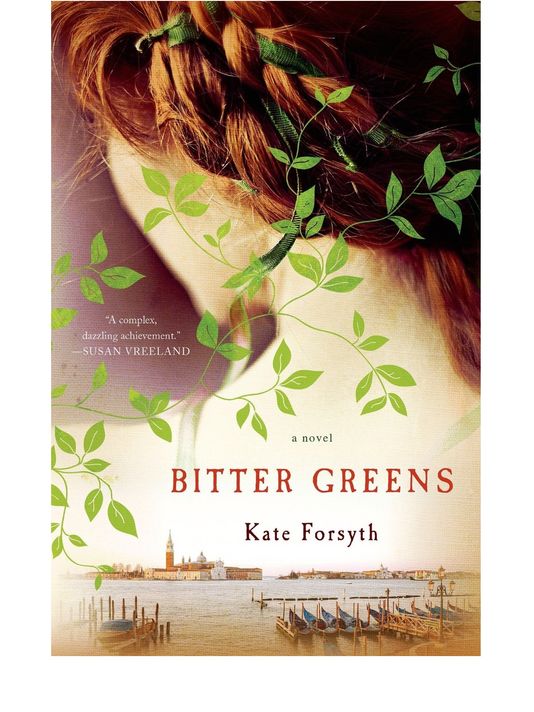
Bitter-Greens-Thomas-Dunne-Books

Kate Forsyth is quickly becoming a name in historical fiction as she explores fairy tales. Her debut, Bitter Greens, won the Best Historical Fiction prize from the American Library Association.

It’s the time of the Sun King, Louis XIV, and novelist Charlotte-Rose de la Force has been banished from the Court of Versailles for behaving like a man in terms of her love life.

Running alongside Charlotte’s story is the thread of the fairy tale of Rapunzel, told to Charlotte by an old nun, which gives the story it’s interesting structure. The two story lines share themes as the female characters struggle for independence and the right to decide their own destinies.

This also echoes the life story of the witch who confined Rapunzel. For the first time we see her backstory and her fight for the freedom to make her own choices. This has her become a more sympathetic character than fairy tale readers recall, even though she remains a dark element in the Rapunzel story. The witch’s fears are common ones with which most people contend: the fear of aging and death. With its echoes of feminism, the themes apply to modern times and keep all the woman deeply human.

wildgirl_forsyth
With The Wild Girl
, another exploration of fairy tales, Kate Forsyth deals with the Brothers Grimm. This is a richly imagined tale of the woman who gave the Grimm brothers some of their best stories. History is very much part of the foreground, as the Napoleonic wars rage around the small kingdom of Hessen-Kassel. The book deals with how the lives of ordinary people, especially the poor or the marginalised, experience history as a material impact on their bodies and minds, and their everyday lives.

The romance between Wilhelm Grimm and Dortchen Wild unfolds slowly and deeply over many years. Dortchen is wild by nature, headstrong and curious. At the hands of her cruel and domineering father, she moves from innocence to experience, and the novel takes a hard turn. Its darkness is relieved by the meetings between the lovers, as she tells Wilhelm tales and they fall deeply into a forbidden love. There is real despair here, not a cliched romance, as the lovers are helpless in the face of circumstance.

Yet the romance becomes almost secondary to the sophisticated and thoughtful power of the stories. “Stories help make sense of things,” Dortchen tells Wilhelm. It’s long been known that many nursery rhymes and fairy tales were commentaries on the politics of their time. And in this novel we see the additional importance of stories in preserving a culture, in remembering history, and in connecting people in time as all good fairy tales do.

Kate Forsyth is a deft writer, her prose elegant and spare, almost Germanic in its precision and placement in this novel in contrast to the different language she uses in the French tale Bitter Greens, which has an almost baroque feel to her chosen words. So besides weaving talented tales and doing complex research of each time, this author manages to tailor her language to each novel’s setting. And the covers are gorgeous~

Tony Lee Moral: Playing Mrs. Kingston Sunday, Jan 11 2015 

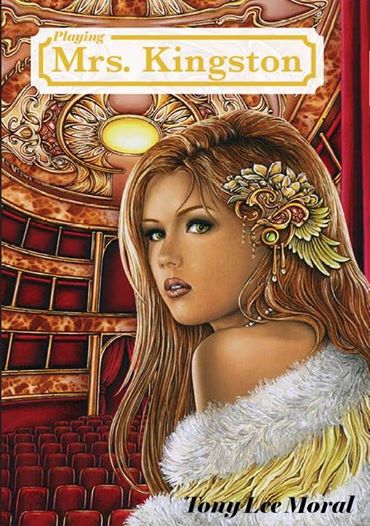
Please welcome Tony Lee Moral, who will describe the genesis of his new mystery, Playing Mrs. Kingston:

PMKCover

How Alfred Hitchcock can influence Your Novel Writing by Tony Lee Moral

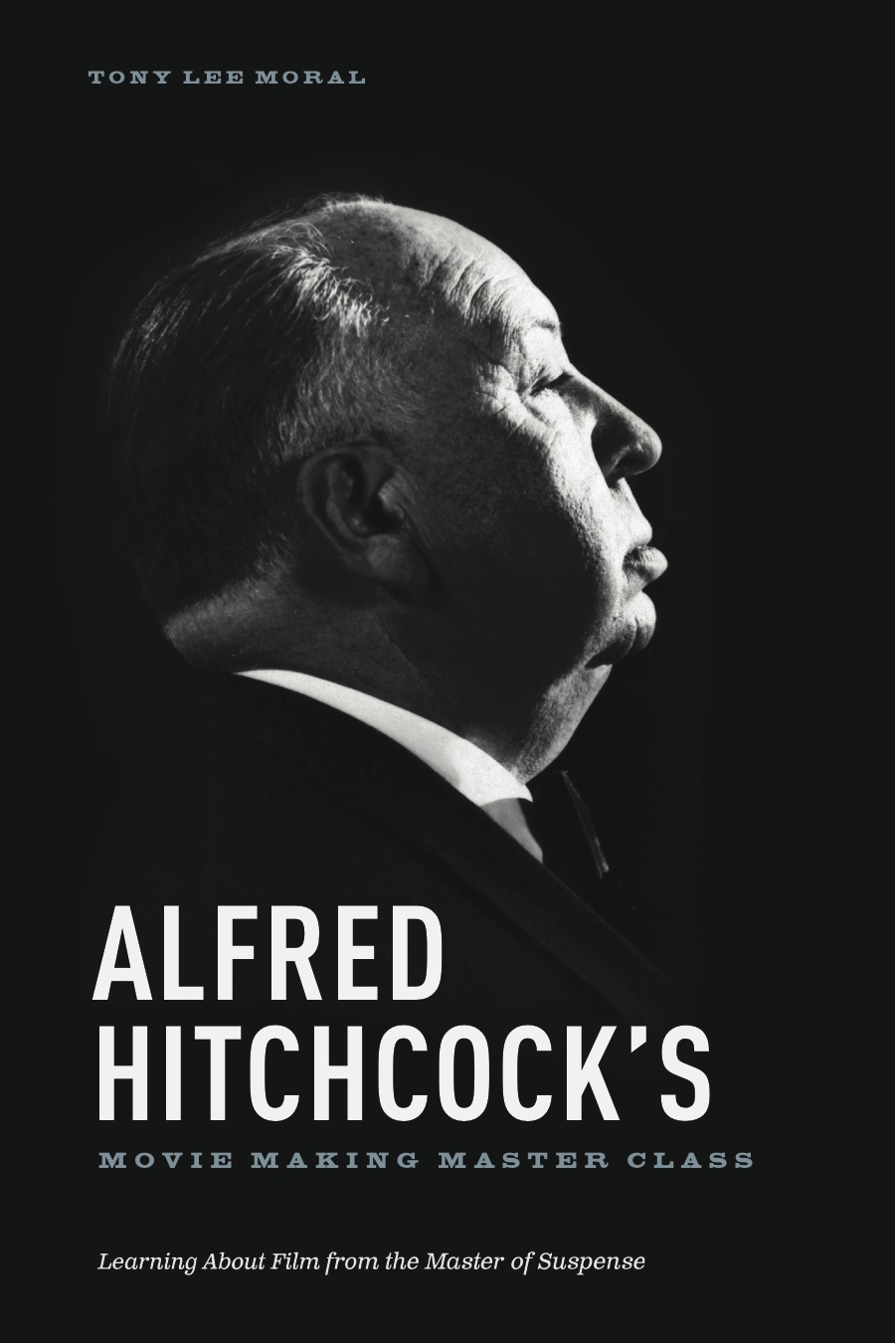
Alfred Hitchcock has been a huge influence on my life, ever since I saw my first Hitchcock film, I Confess, at the age of 10 years old. I was immediately struck by the moral ambiguity of the film and the conflicted viewpoint of the central character, a priest, played by Montgomery Clift. Since then I’ve written three books on Hitchcock, the Master of Suspense. Two books are on the making of specific films, The Birds and Marnie, which were made in the early 1960s and have a close production history; and a more general book called Alfred Hitchcock’s Movie Making Masterclass, which is about all of his films, for aspiring screenwriters and film makers.

So when writing my murder mystery novel Playing Mrs. Kingston, I was immediately drawn to the Hitchcockian principles of suspense and characterization. The central character, Catriona Kingston, takes after many a Hitchcock blonde, particularly Grace Kelly, Ingrid Bergman and Eva Marie Saint. She is feisty, determined, action oriented, duplicitous and mysterious. The duel identifies she plays, both Catriona and Catherine, is reminiscent of Kim Novak’s character in Vertigo. Her boyfriend, Mario Montefiore, a saxophonist at the the Stork Club, was inspired by Henry Fonda’s character in The Wrong Man, who himself was based on the real life Manny Balestrero, wrongfully accused of a series of robberies in 1950s New York, the same time period in which my novel is set.

Hitchcock often spoke about the MacGuffin in his films, a key plot device that drives the story. The MacGuffin is the engine that propels the plot. It is the object around which the plot revolves and motivates the actions of the characters. In North by Northwest, the MacGuffin is the roll of microfilm in the pre-Columbian statue, which both Cary Grant, the hero, and James Mason, the villain, are after. In Playing Mrs. Kingston, the MacGuffin is the stolen Caravaggio painting, which Catriona’s arch enemy so desperately wants. But the real story is about Catriona and Mario, and finding out who the killer is. But in having a MacGuffin in my novel, the stolen painting, it drove the plot forward, and motivated the characters, especially in the second half of the book, when all seemed lost.

Good writing is subtext, reading between the lines, rather than on the nose dialogue. Much of the dialogue in Hitchcock’s best screenplays, such as Notorious, Rear Window and North by Northwest, have layers of meaning. Good dialogue should be full of conflict between the chracters and have a natural rhythm that’s easily spoken, like a verbal sparring game that resembles the epic tennis match in Strangers on a Train until someone scores a point. The writing between Catriona and Detective Radcliffe is like a cat and mouse game, with Catriona trying to stay a few steps ahead of the Detective who is chasing the real Catriona Benedict, while she is in disguise as Catherine Kingston.

Hitchcock loved counterpoint and contrast and often had two things happening at once. He built tension into a scene by having contrasting situations, with two unrelated things happening simultaneously. In Notorious, a big party is taking place in Ingrid Bergman’s honor, but she is too preoccupied in showing Cary Grant the wine cellar, which holds the MacGuffin, in this case the uranium ore stored inside the wine bottles. Upstairs the champagne is quickly running out, threatening to expose the couple to Nazi villain Claude Raines, who Bergman has married, which ratchets up the tension.

A good example of this in Playing Mrs. Kingston is when both Lowry, Catriona’s old theatre boss, and Detective Radcliffe are at the Kingston gallery, and Catriona is threatened to be unmasked at any moment for who she is really is. I had Notorious very much in my mind when writing the novel, especially the big party scenes, when the moral ambiguity of the conflicted heroine comes into play, and she marries into a family full of secrets and becomes trapped in the enemy’s house. Only by using all her wits is she able to escape.

Alfred Hitchcock's Masterclass Cover
Alfred Hitchcock’s Movie Making Masterclass is published by Michael Wiese Books

Playing Mrs. Kingston is published by Zharmae Publishing Press

John Bainbridge: The Shadow of William Quest Sunday, Nov 2 2014 

Please welcome UK author John Bainbridge:

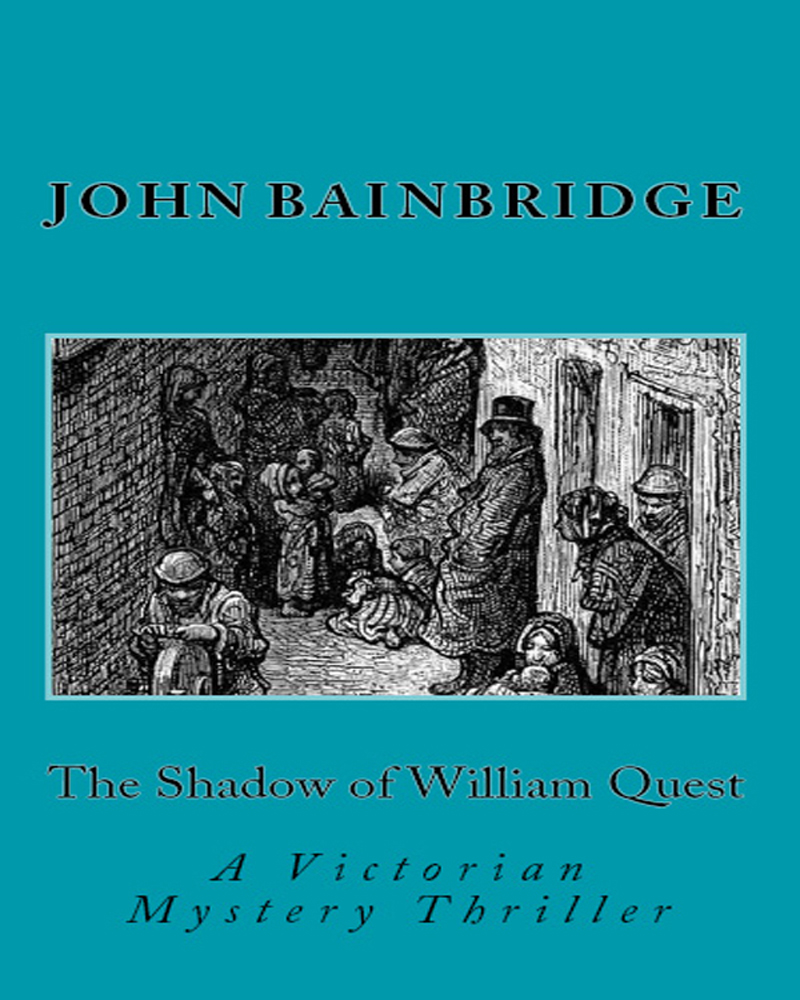
The-Shadow-Of-William-Quest

Thank you for the kind invitation to talk about my novels. I have been writing for most of my life, though usually journalism and non-fiction. After a number of abortive attempts at novel writing, I decided to sit down and write the kind of historical crime thriller I actually wanted to read, but which wasn’t out there to buy.

I read for a degree in literature and Victorian history, and specialised in the Victorian Underworld. About a year ago I had this image in my mind of a Victorian gentlemen walking down an alley carrying a swordstick – and very little more. I knew he was there to right wrongs, but that was about it.

So I sat down and started writing. It was really quite spooky! One scene after another unrolled on the screen, characters seemed to leap out – almost as though it all had a life of its own. Before I knew it William Quest, his friends and enemies, were there before me. It was like watching a film. In all my writing life, I’ve never had anything flow quite so easily.

The result was The Shadow of William Quest. I wanted a hero with a dark edge and Quest is – to say the least – morally ambivalent. A man who takes the law into his own hands as he fights against the injustices of Victorian society. I wanted to try and portray Victorian life as it really was, from the rookeries of London to the harshness of rural counties, but try and put forward some uplifting message. After all, we all benefit from the great social reforms put forward by campaigning individuals in that era.

John-Bainbridge-Outdoors-Jo
I’m now writing a second William Quest novel, which will be out for next summer. I’ve also finished a novel set in England during the 1930s, (no final title yet) which will be out in December. Apart from Quest I also collaborate with my wife Anne on Victorian Cozy crime novels, The Inspector Abbs mysteries. Two out so far, A Seaside Mourning and A Christmas Malice.

Fortunately, I have a lot of ideas and intend to write several novels featuring William Quest. We have a blog at http://www.gaslightcrime.wordpress.com which keeps our readers up to date with our latest work.

Three Winners: Brown, Berry and Holt Sunday, Oct 5 2014 

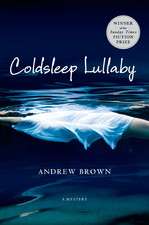
Coldsleep Lullaby
Andrew Brown won the South Africa Sunday Time Fiction Prize with Coldsleep Lullaby, a mix of modern mystery and historical fiction.

The steady pace of this dramatic premise will hold readers to the page. Fighting his own demons after the collapse of his marriage and an addiction to cocaine, Detective Eberard Februarie is handed the investigation into the murder of a woman found floating down a river in the old university town of Stellenbosch. With only a part-time reservist policeowman to assist him, he glimpses the body of the young woman, hit in the head hard enough to cause a skull fracture, her body dumped into the river while she was still alive.

The dead woman’s father is a respected university law professor, probably the university’s next dean, and known for his outspoken views on protection Afrikaans culture on campus. Was this murder a message to him?

Eberard’s investigation will lead him to a world of sexual depravity, and Brown’s parallel story of the town’s 17th century residents becomes a counterpoint to the modern investigation. The ideas of prejudice and redemption are underlined by the lullabies that begin each chapter, and this juxtaposition creates a chilling device.

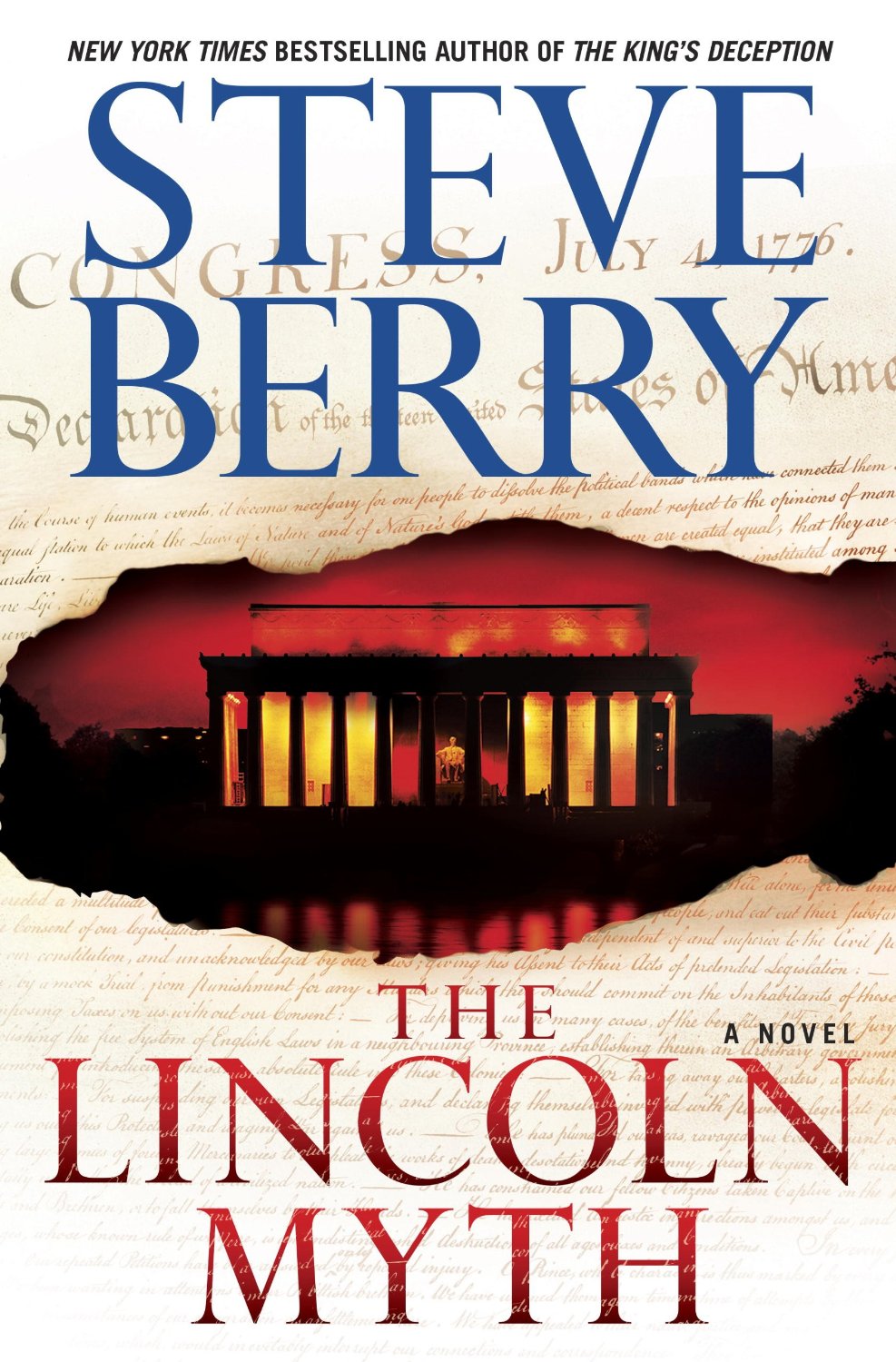
The-Lincoln-Myth-Steve-Berry

Steve Berry’s Cotton Malone thrillers have a juxtaposition of their own, balancing the historical thread of the story that propels the action of today.

In The Lincoln Myth, he successfully creates yet another page-turner from this internationally best-selling author.

In 1861, Abraham Lincoln receives a package from his predecessor, James Buchanan, sending on a secret that has been passed down through all the presidents from Washington.

In the modern world, Cotton Malone keeps trying to run his bookshop in Denmark, but calls for his help keep the former Justice Department agent returning to action.

In Utah, the remains have been found belonging to Mormon pioneers, murdered during their expedition in the 1800’s.

How all of these intersect, and how Malone finds himself thrust into the heart of a secret war over two hundred years old, form the basis for this adventure that will involved the fast-paced action with the skillful mix of historical facts and supposition that is the hallmark of the series.

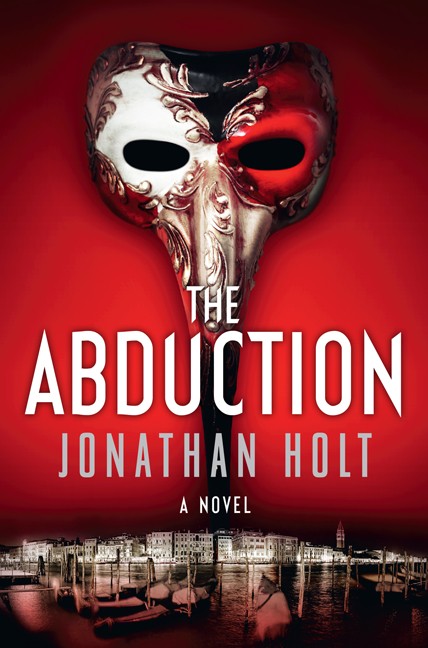
abduction

Jonathan Holt premiered his Carnivia trilogy with last year’s The Abomination and returns with the second installment in The Abduction.

Featuring the likable and unlikely duo of police detective Captain Kat Tapo and Lt. Holly Boland from nearby Camp Ederle, Venice in all its glory and squalor is the site of the action, with its virtual counterpart, Carnivia, in play. The hacker-proof world will be challenged, and force Carnvia creator Daniele Barbo to confront his ethics when the teenaged daughter of a US soldier disappears in Venice.

Then clues as to the girl’s whereabouts begin to appear on Carnivia’s site, leaving Kat Tapo flailing behind. She enlists intelligence analyst Holly Boland to help her rescue the girl. What they find will bring the darkest secrets to light they’ve encountered yet and have fingers reaching back into wartime Italy.

This is a skillful mix of history and terror that brings out an all-too plausible situation. Mia Elston, the abducted girl, is a resourceful young woman dealing with her kidnappers. The characters and setting are strong and the action is fast and furious as a second kidnapping occurs. An intelligent thriller.

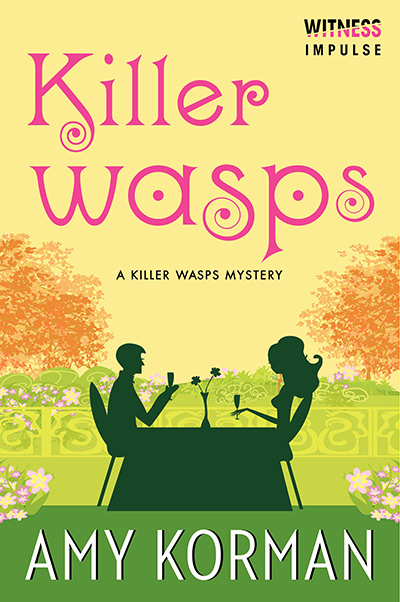
killer-wasps-cover-amy-korman-400x602

And switching moods, new from Witness Impulse as an ebook comes this debut lighthearted fare:
Killer WASPs
A Killer WASPs Mystery

Crime really stings in Killer WASPs (Witness Impulse e-book, on sale 9/16/2014, $1.99), a Witness Original from debut author Amy Korman. If you love cocktails, antiquing, parties, shopping and the occasional crime-lite thrown in amid vodka tonics and tennis matches at the club, then you’ll love Killer WASPs. The first installment in this modern and cozy series features crime, romance, and fun amid the classic estates of Philadelphia’s Main Line.

Bryn Mawr, Pennsylvania, is a haven for East Coast WASPs, where tennis tournaments and cocktails at the club are revered traditions. Little happens in the sleepy suburb, and that is the way the Lilly Pulitzer–clad residents prefer it. So when antiques store owner Kristin Clark and her portly basset hound stumble upon the area’s newest real estate developer lying unconscious beneath the hydrangea bushes lining the driveway of one of Bryn Mawr’s most distinguished estates, the entire town is abuzz with gossip and intrigue.

When the attacker strikes again just days later, Kristin and her three best friends—Holly, a glamorous chicken nugget heiress with a penchant for high fashion; Joe, a decorator who’s determined to land his own HGTV show; and Bootsie, a preppy but nosy newspaper reporter—join forces to solve the crime. While their investigation takes them to cocktail parties, flea markets, and the country club, they must unravel the mystery before the assailant claims another victim.

Fans of Janet Evanovich’s Stephanie Plum series will enjoy shaking up the Philadelphia Main Line. To learn more, check out the Killer WASPs Facebook page: https://www.facebook.com/killerWASPsseries.

Alyssa Maxwell: The Gilded Newport Mysteries Sunday, Jun 8 2014 

Please welcome the author of the Gilded Newport Mystery series, Alyssa Maxwell, who will give us look into her historical series:

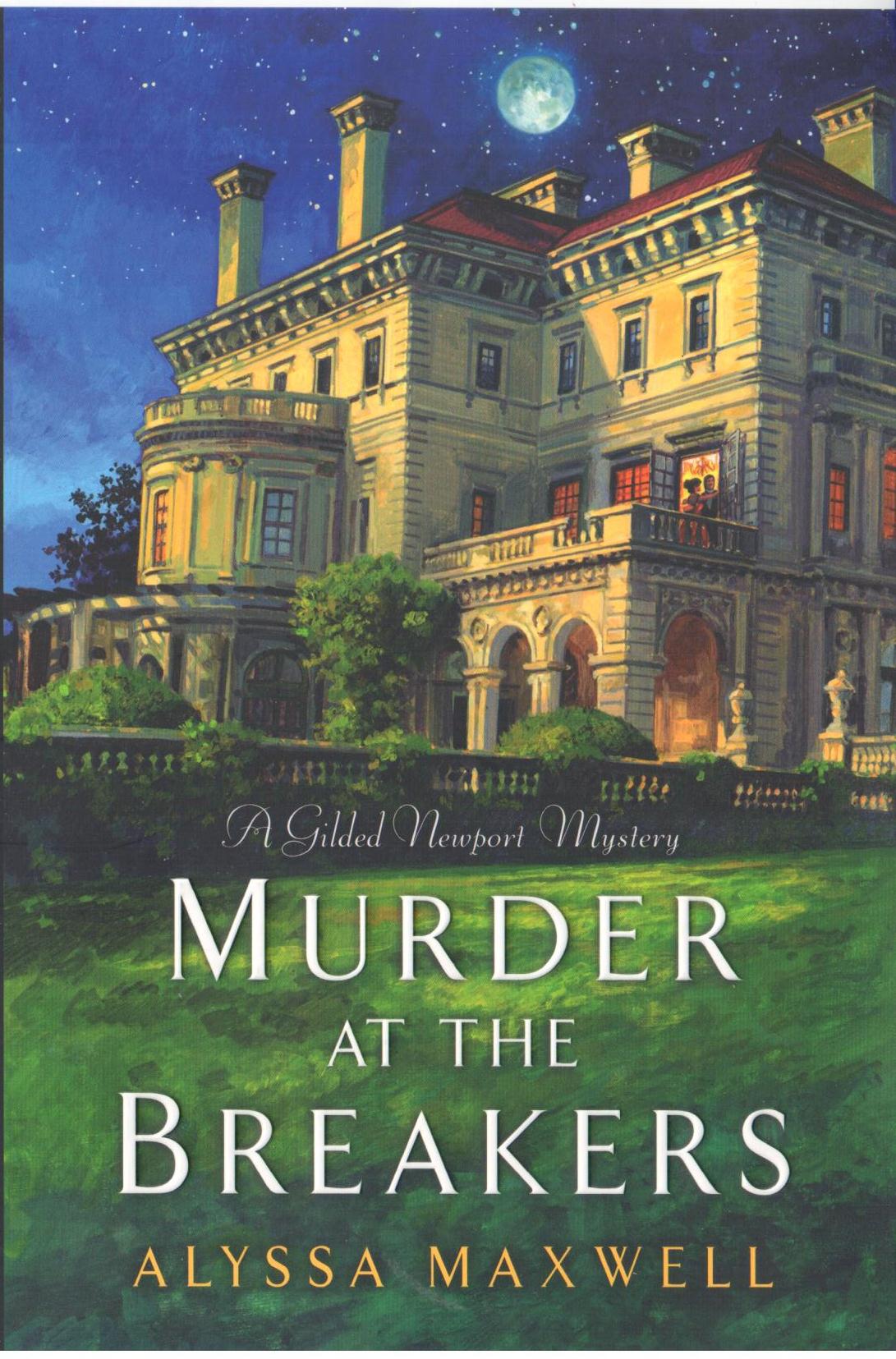
Write What You Know? No! cover front

If you take a look at my website, you’ll see that writing my Gilded Newport Mystery series has been a very special and personal experience for me. With my husband and his family having deep roots in Newport, you could say that I’ve taken the advice so often quoted to aspiring writers: Write what you know.

In many ways, that’s true. I’ve gotten to know the city much better than if I’d merely vacationed there, and having that “insider’s” view has certainly allowed me to breathe more life into these stories.

So yes, I wrote what I know, but there was also so much I didn’t know when I started writing. The Newport of 1895 was much different than the one we know today. To make my stories believable and true to the times, I had to research the burgeoning technologies of the late 19th century – for example my heroine has a telephone and uses a typewriter, and electric trolleys run through town – as well as notions of class consciousness and the relationships between employers and servants.

No books about Gilded Age Newport would be complete without a look at yacht racing, luxury steam ships, and the kinds of carriages people drove. Fashions, occupations, pastimes – these were all on my “to be researched” list. And, of course, since my heroine is also a newspaper reporter, I needed insight on real women reporters of the times – and yes, there were a few, and some of them even managed to push beyond the limitations of society page news.

Besides my main characters, who are fictional, people like the Vanderbilts play important roles in the books. I’d heard of them, of course, and knew they were incredibly wealthy, lived in huge, ornate houses, and were connected to the railroad industry. But I had no knowledge of them as individuals, or how they interacted with each other. I had to get to know them on a much more personal level so I could remain true to their personalities and their family dynamics.

All of these elements, and more, I had to learn. But what kept it exciting for me was my desire to dig around in the past, find the puzzle pieces, and put them together. Let’s face it – after a while what you already know becomes one big bore. Staying inspired means taking risks and forging into new territory. It’s an adventure that keeps your writing fresh and makes you eager to sit down at the keyboard every day. So for me, it’s not “write what you know,” but “write what you want to know, and what you’re excited to learn about.” In other words, find your passion (or passions) and take off running!

Do you have a passion for something? Share below and be entered for a chance to win a signed copy of Murder at The Breakers! Or just leave any old comment – you’ll still be entered!

About Murder at The Breakers:

As the nineteenth century comes to a close, the illustrious Vanderbilt family dominates Newport, Rhode Island, high society. But when murder darkens a glittering affair at the Vanderbilt summer home, reporter Emma Cross learns that sometimes the actions of the cream of society can curdle one’s blood…

Newport, Rhode Island, August 1895: She may be a less well-heeled relation, but as second cousin to millionaire patriarch Cornelius Vanderbilt, twenty-one-year-old Emma Cross is on the guest list for a grand ball at the Breakers, the Vanderbilts’ summer home. She also has a job to do—report on the event for the society page of the Newport Observer.

But Emma observes much more than glitz and gaiety when she witnesses a murder. The victim is Cornelius Vanderbilt’s financial secretary, who plunges off a balcony faster than falling stock prices. Emma’s black sheep brother Brady is found in Cornelius’s bedroom, passed out next to a bottle of bourbon and stolen plans for a new railroad line. Brady has barely come to before the police have arrested him for the murder. But Emma is sure someone is trying to railroad her brother and resolves to find the real killer at any cost…

murder_at_MARBLE_HOUSE
Bio:
Alyssa Maxwell is the author of The Gilded Newport Mysteries, a historical mystery series featuring the glamor of a bygone era and a sleuth who’s a less “well-heeled” cousin of the illustrious Vanderbilts. The series debuted in March with MURDER AT THE BREAKERS, to be followed by Murder at Marble House
in September, and Murder at Beechwood in 2015. Alyssa will also be debuting an English-set historical series, The Foxwood Hall Mysteries, in October 2015. Alyssa and her family live in South Florida, where she is a member of the Mystery Writers of America – Florida Chapter, Sisters in Crime, and The Florida Romance Writers.

For review quotes, an excerpt, pictures, and all kinds of other fun stuff about The Gilded Newport Mysteries, please visit my website: http://alyssamaxwell.com. I love to hear from readers, so while you’re there feel free to drop me a line!

You can also find me at:
https://www.facebook.com/alyssa.maxwell.750


https://www.goodreads.com/author/show/7163135.Alyssa_Maxwell

Nicola Upson: The Death of Lucy Kyte Sunday, Apr 20 2014 

Readers know that Auntie M has long been a fan of Nicola Upson’s series set in the 1930s and featuring Josephine Tey as the protagonist. Starting with An Expert in Murder, through the stunning Fear in the Sunlight, each book is carefully researched and an enjoyable read.

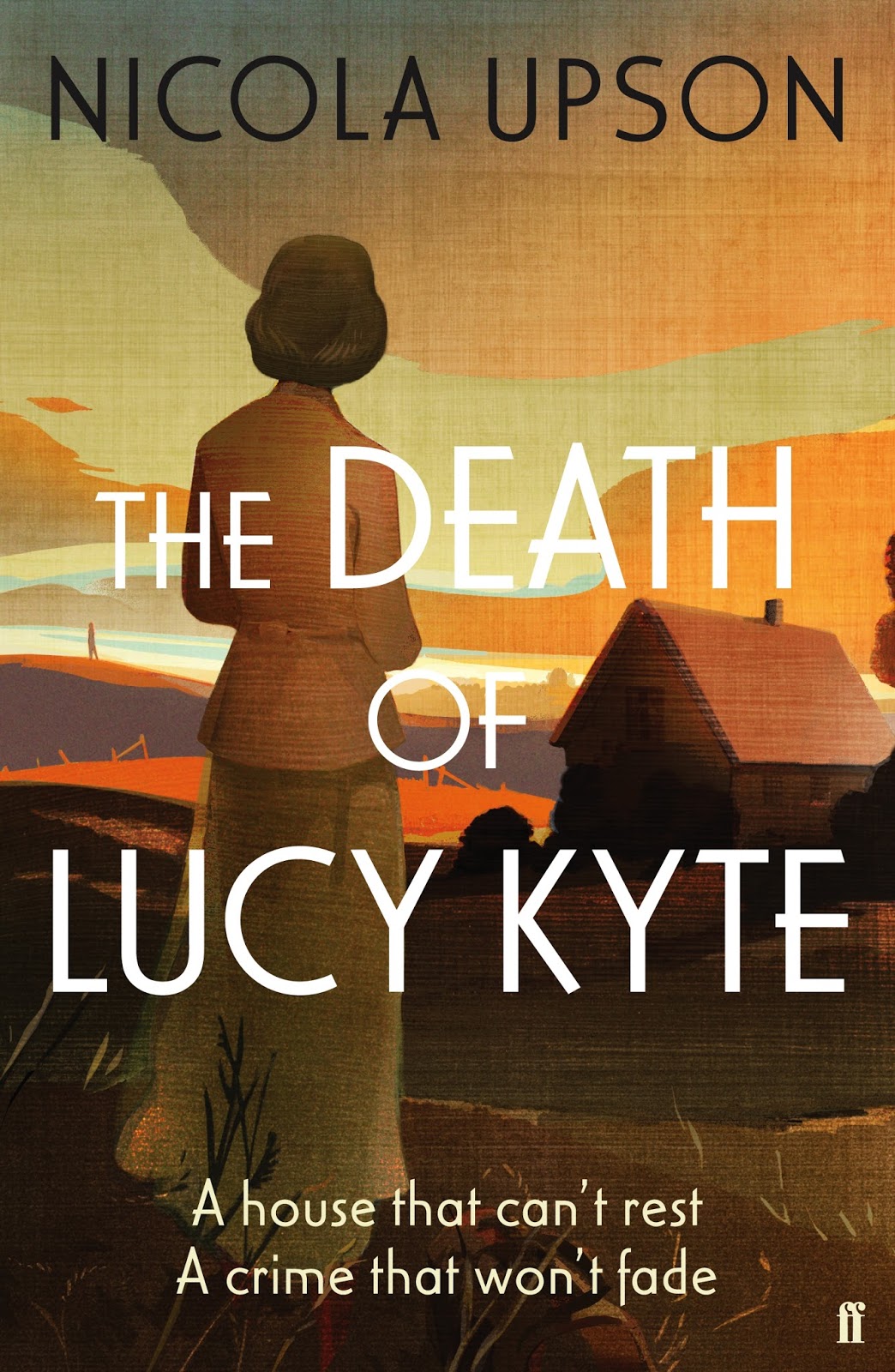
So it was with great delight that after this brief review she is able to bring you an interview with Upson with questions based on her newest offering. THE DEATH OF LUCY KYTE is perhaps the author’s most challenging novel to date, a mystery within a mystery, meticulously researched, and a resounding read. It’s complex plot features the Suffolk countryside as the setting, where Tey has inherited a remote and crumbling cottage from her godmother.
Death of Lucy Kyte

Along with the hard work needed to make it habitable comes just the sort of intrigue to pique the interest of a mystery writer. A centuries-old murder still resonates on the minds of the villagers; yet the young woman named as the beneficiary in Tey’s godmother’s will seems to have disappeared from their memories. How Tey solves the mystery of Lucy Kyte forms the basis of this intelligent and rewarding read. Highly recommended.

And now in her own words, learn the story behind this book and please welcome Nicola Upson:

Auntie M: You obviously spend a great deal of time doing research on your novels and their settings and history: Angel With Two Faces and the Minack Theatre in Cornwall; Fear in the Sunlight and the Hitchcock’s in Portmeirion, Wales. Now with The Death of Lucy Kyte you’ve indicated that Polstead and the story of Maria Marten and William Corder is one you grew up with and wanted to explore in this book. How did you decide on the storyline to bring Josephine Tey to the area and involve her in its history?

Nicola Upson: I felt justified in bringing Josephine to Suffolk, as she had Suffolk ancestry on her mother’s side – her family brewed beer in the county – and it’s clear from her letters that she often visited many of the places that are referred to in the book – Stoke, Lavenham and, of course, Newmarket for the horseracing. ‘Josephine Tey’ was a pseudonym (her real name was Elizabeth MacKintosh) and she claims to have taken that name from her Suffolk great-great-grandmother. But you’re right – the decision to set a book in Suffolk was a personal one, and much more about me than it was about her! It’s my home county, where I grew up and where most of my family still lives, and it’s where my roots are. So – perhaps inevitably – Josephine’s story is a very personal one in this book, a story that touches on her family and her past, and in which she feels very strongly the presence of the people she’s lost, and the book feels very personal to me as well.

The Red Barn Murder – the killing of Maria Marten by her lover, William Corder in May 1827 – is certainly the first crime story I was ever aware of. As a child, I remember summer days out in the Suffolk village of Polstead with my parents, walking past Maria’s house or William’s, fascinated even then by what had happened there and by the real people behind the legend. I lived in Bury St Edmunds, the town where Corder was hanged, and every weekend I passed the Gaol where the execution took place on the way to my grandmother’s house. Bury’s museum, Moyse’s Hall, has a macabre collection of exhibits from the crime – Corder’s scalp and death mask, an account of the trial bound in his skin – and those things were so thrilling and so horrifying to a little girl. And we know from Tey’s work that she was fascinated by true crimes from the past – The Franchise Affair and The Daughter of Time are both based on historical crimes – so I felt she would have loved the facts and the mythologies that circle around the Red Barn Murder, too.

Choosing and getting to know the setting for each book is, for me, one of the greatest joys of writing. Lucy Kyte was different in that Polstead was a place I knew well as a child and have now rediscovered; most of my other novels have been set in locations that I’ve come to know primarily through the act of writing and research, places like Portmeirion or areas of London which were unfamiliar to me before I set books there. So it was special for me to revisit those childhood landscapes, to see Polstead in each new season and to imagine myself back there in a different time – first Josephine’s, and then Maria’s. 


AM: We don’t learn who Lucy Kyte is until the storyline is well-established and unravels, yet her death forms the last part of the book. After reading it, I realized this was absolutely the best title for this book. Did that come to you after writing the book, or was it always your premise from the start?

NU:

It’s the only one of my books that has had and kept its title from the very beginning. Titles are so hard because it’s not just your decision: you have to find something that feels right to you for the story, but your publisher has an input and it has to be something which tells a reader what to expect and which fits with the genre you’re working in. It wasn’t until Two for Sorrow that I titled one of my own books! My editor suggested An Expert in Murder, and PD James gave me the poem that’s titled Angel With Two Faces, because she felt it was exactly what the book was about. But there was never any question about this one: as soon as the character was named Lucy Kyte, the book had its title and I’ve never thought of it as anything else.

AM: Even as you’re promoting Lucy Kyte I’m certain you’re researching and writing the next Tey book. What’s in store for Josephine that you can share, and will her cottage figure in the future you have planned for her?

NU:The sixth book in the series – which currently has two titles! – is indeed underway, and it sees Josephine back in London in May, 1937, where she is involved in a cycle of radio plays at the BBC to celebrate the coronation of George VI. The repertory company of characters is back for this book, with Archie and Bridget, the Motleys and Lydia, but there will be other books that are more intensely focused on Josephine in the way that Lucy Kyte is.

Josephine’s cottage will be a very important part of her future, particularly as we head towards the war years. It’s funny, but when I started Lucy Kyte I deliberately held back on making a decision as to whether or not she would keep it at the end of the book: I wanted to feel my way into it as she did, and see how we both settled in! But there was no doubt in my mind by the end that she’d fallen in love with it, and I certainly haven’t finished with Suffolk as a novelist. And in all the books, there is an element of wish-fulfilment, of giving Josephine things in life that I genuinely believe she would have enjoyed under different circumstances. She wrote very movingly to friends about wanting one day to make a home for herself – she’d always lived in digs or the family house – but never got the chance to do that as she died so shortly after her father; I think she’d have liked the one I’ve chosen for her. I hope so, anyway.


AM: Besides Tey, whose writing has been an influence on your own?

NU: PD James. I think it’s significantly down to Phyllis and to Ruth Rendell that people like me are able to write detective fiction with the freedom and popularity that we enjoy today. When they began to publish in the early 1960s, crime fiction was at a crossroads: it could be relegated to the realms of slightly outdmoded entertainment, or it could become the living, breathing reflection of society that it is today; they set us out on the right path, and really expanded those boundaries – and they’re still doing it, creating benchmarks for writers to aspire to and books for readers to love, and I’m hugely grateful to them for that. And when you pick up a PD James novel, you get a brilliant fusion of theme, setting and character which makes the book about so much more than the plot; her descriptive passages take your breath away. For me, Death in Holy Orders is the perfect (crime) novel.

Reginald Hill is another huge influence. He has inspired me to be brave with a series, to try to develop characters whom readers will feel a real ownership of, and to play with the format and not be afraid of trying something a bit unexpected between one book and the next. He was a writer who really trusted his readers to go with him, and that takes a lot of courage.

Pat Barker is a remarkable novelist – I loved Toby’s Room; it’s a brilliant book, and her blend of fact and fiction is truly inspirational.


AM: When you read for pleasure, whose books are on your nightstand?

NU: I love Irish fiction, so Sebastian Barry, William Trevor, Jamie O’Neill and Colm Toibin are favourites. Susan Hill amazes me every time with her versatility. I treasure a book that makes me laugh, and I’m particularly keen on Barbara Pym, Stella Gibbons and Angela Thirkell – that wry, female humour with a real sting in its tail. Every summer, I re-read JL Carr’s A Month in the Country, which is probably the novel I wish I’d written, short and very, very beautiful. Virginia Woolf and Elizabeth Bowen have always been important to me. Wuthering Heights – which I first read when I was seven because of Kate Bush! – is a book I return to often, and it’s never disappointed me at any age – very few books grow with you in that way. Other than Tey, the Golden Age writers I love are Christianna Brand and Edmund Crispin. And the book I’m saving because I don’t want it to be over is The Days of Anna Madrigal, the most recent volume in Armistead Maupin’s Tales of the City.

AM: We share many of the same affections and mentors. Many thanks for sharing your influences, your insights and especially the background regarding this newest addition to your exceptional series.
A Quartet of Wickedness Sunday, Jul 14 2013 

Auntie M is traveling this week to meet British author Peter James in New York City at a FanFest event that’s part of their Thrillerfest that weekend. Details from that meeting will post at a future date, as she also hopes to connect with him on her stop in Brighton in August when she’s doing setting research, as the city is home to James and to his detective Roy Grace.

This week she’s bringing you four fantastic reads with wickedness in common.  BlackhouseCover

Scottish author Peter May’s The Blackhouse  is from his Lewis series. May’s The Lewis Man is on the shortlist for Crime Novel of the Year to be awarded next week at Theakston’s Old Peculiar Crime Writing Festival. For those of you who aren’t familiar, Old Peculiar is a beer. This is the first of the Lewis series and readers may want to start with the first to follow the trajectory of the protagonist’s personal life.
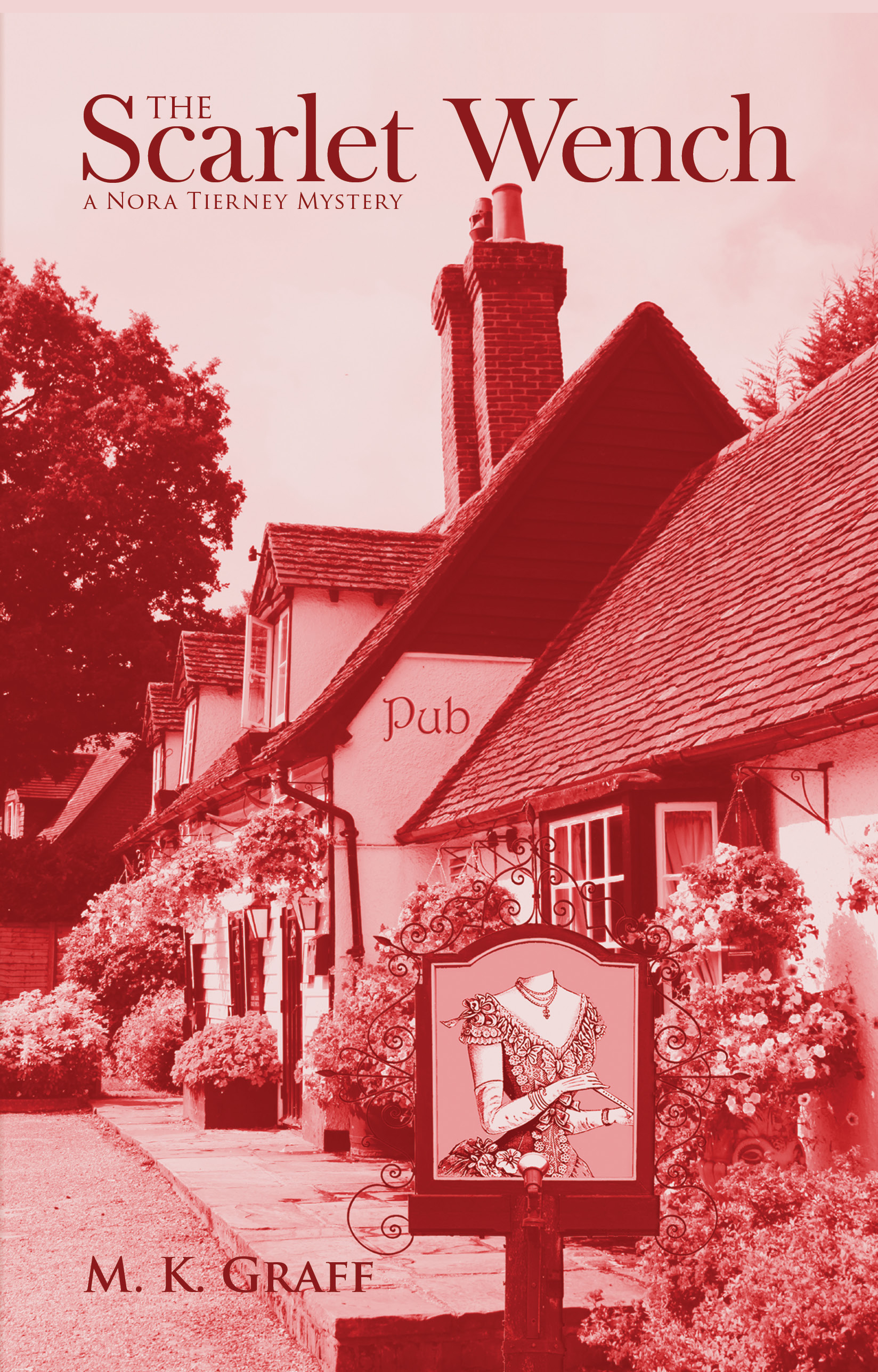
The Blackhouse gives a fascinating look into the life and culture of the Outer Hebrides as it takes Edinburgh detective Fin McLeod back to his native isle of Lewis where a murder bears too many similarities to a serial killer on the Scottish mainland. Has the murderer moved to the remote island and taken his grisly methods with him?

MacLeod must face his own troubled past on the island while coping with his present life choices and the demise of his marriage. Reconnecting with childhood friends and the places he once called home is often painful, yet MacLeod is determined to find the answer to the killings, even as he battles the ancient customs and traditions and his own bitter past, one he thought he’d long left behind.

How past events collide with what is happening now form a brilliant literary thriller from this prolific author of the award-winning China Thrillers and the Enzo Files series.
May’s history as scriptwriter and editor on British television is evident in his vivid descriptions and haunting prose. The contrast of MacLeod’s past remembrances are skillfully balanced with the events driving the present investigation. Book Three in the series is Chessman and Auntie M has it on her TBR pile.


Florida author Steve Berry is back in fine form with his newest thriller, The King’s Deception, featuring the eighth adventure of Cotton Malone, a recently retired Justice Department operative who is hoping to leave his past behind.

The Kings DeceptionOn his way back to the Amsterdam bookstore he owns, his son, Gary, in tow for a planned Thanksgiving holiday, Malone is asked to escort teenage fugitive Ian Dunne to England.  Gary and Malone are both reeling from personal information Malone’s ex-wife recently admitted that casts a pall on the trip, and in a startling plot twist, effect actions and outcomes.

The planned quick handover at Heathrow of Ian to the authorities soon turns into much more when the trio are greeted at gunpoint and Ian disappears with Gary.

What follows is a complex plot and a highly compelling read that is a tour de force of mixing true historical events with a twist of fiction that will leave readers breathless.

Balancing Tudor secrets with a startling theory, Malone finds himself running against agents from several countries in an international scheme that goes as far up the chain as possible in MI6, and revolves around a political disaster fueled in part by the release of the Libyan terrorist convicted of the Lockerbie bombing.

Operation King’s Deception has the power to change history as it intersects with the Tudor secret. Gary, Ian and Malone must get to the bottom of it all, aided by a few sympathetic women who cross their paths. There are far too many involved, and too many lives at stake, for Malone to fail.

Hats off to Berry for his meticulous research and the weaving of true facts into his plot. This will leave you yearning for a trip to England to see his settings, while turning pages to find out the resolution of his twisted plot. Highly recommended to those who enjoy a bit of history mixed in with a contemporary thriller.


Jane Casey introduced DC Maeve Kerrigan in The Missing to rave reviews. The second in her series The Reckoning, shows another well-plotted, suspense-filled novel. reckoning

Still recovering from wounds she received in the prior novel, Maeve is torn not just physically but emotionally, as she’s ended an intimate relationship, yet must face London’s darkest places in her new case.

On the hunt for a killer targeting sex offenders, Maeve and her team find ties to a mobster who may be trying to track down a missing girl. The wicked murders prey on Maeve’s mind as the killings start to mount up.

Complicating the already-intense case is the addition of two new members to her team.

She finds herself saddled with DI Josh Derwent, who has the confidence of her superintendent but a reputation for aggressiveness, and as she soon finds out, a decided lack of tact. He also finds great pleasure in deriding Maeve’s detecting skills.

Their abrasiveness in trying to work together is one aspect of the hard reality of police work, as the team follows up leads on the men being tortured in horrific ways before their deaths.

It doesn’t help that she’s just moved house and her flat is a mess, or that DC Rob Langton and her own extended Irish family add to the complications of her days.

Then a flash drive arrives for Maeve and the pictures make it clear she’s being followed. How does this tie in to the murders, or has she attracted her own kind of nutter?  And will she be forced to move home yet again, just as she’s finished unpacking?

Casey does a fine job of detailing human behavior as well as the politics and squabbles of Maeve’s workplace as she heats up the plot. Maeve is tough to resist as a character, so it’s a treat for readers to know Casey continues her storyline.

400000000000001012418_s4 The Last Girl is Maeve’s next case at The Met, as the police thriller series continues. Still sorting out her confused feelings for Rob Langton and dealing with that stalker from the last book, Maeve and the irascible DI Derwent are called to a crime scene at the house of wealthy defense attorney Philip Kennford.

Kennford’s reputation for getting convicted criminals released makes it difficult for Maeve to summon sympathy–until she views the ghastly scene of the murder of his wife and one of his twin daughters. Her investigation reveals this was a deeply unhappy family, and that the surviving sister was the least favored daughter.

Immediately falling under suspicion, Kennford has secrets he refused to divulge, despite the high stakes of the investigation. The remaining twin, Lydia, is in shock after finding the bodies of her sister and mother. Yet sending her to her mother’s sister only seems to make things worse.

Maeve knows there is far more beneath the surface and that all of her witnesses are holding back information. She worries over protecting Lydia, until Kennford’s daughter from his first marriage arrives and seems eager to help.

Then in the midst of this complicated case, Maeve’s beloved boss, Superintendent Godley, starts acting in what seems an underhanded way, and her entire world seems to collapse. Who is her enemy and who can be trusted?

With a decided theme of wickedness running through the novel’s subplots, Maeve will race against time to save a young girl–and herself.

This series will engage readers who enjoy Tana French’s novels, for the same level of thoroughness in describing the workings of a police investigation, and for Casey’s creation of a host of engaging characters.


« Previous Page